
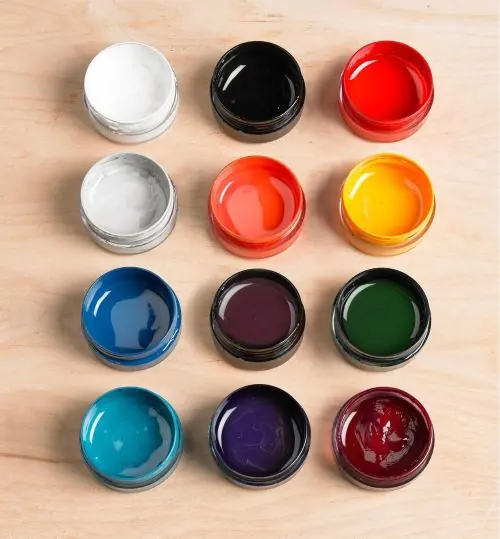
Universal Pigment
Colorant for tinting floor coating resin on site, used for solid color floors and for base coats under a flake broadcast.
Specifications
- Product type
- Colorant for tinting floor coating resin
- Dosing
- Per gallon of resin, at the rate published by the coating manufacturer
- Common uses
- Solid color floors and tinted base coats under flake
- Ships
- 2 to 3 business days
Good to know
- Confirm the pigment against the exact resin you are running before you buy for a job. Epoxy, polyurethane, polyaspartic and polyurea do not all take colorant the same way.
- Tint the resin side and mix to a uniform color before adding the hardener. Pigment added after the parts are combined eats working time and risks streaking.
- Do not exceed the coating manufacturer's maximum pigment loading. Over-pigmenting can change flow, gloss and cure.
- Tint all the material for one floor in one session so the color is consistent pail to pail.
- Pigment is not a stain. It hides the slab instead of showing it, so it is the wrong product for a variegated concrete look.
About the Universal Pigment
Universal pigment is the colorant a coatings shop keeps on the shelf so it can tint resin on site instead of ordering a factory-colored kit for every job. It is used two ways. Most of the time it goes into a base coat that will be tinted to match a flake blend, and the rest of the time it is coloring a straight solid color floor where the coating itself is the finished look.
Pigment colors the film, not the concrete. That is the distinction that matters when a customer describes what they want. A pigmented coating is opaque and consistent, and it hides the slab, the patches and the shade variation underneath. A dye or an acid stain does the opposite, penetrating into the concrete and letting the slab's own character come through. If somebody asks for a mottled, variegated, natural look, pigment is not the product. If they want a clean uniform color, or a base coat that disappears behind chip, it is.
Dosing is per gallon of resin, and the rate belongs to the coating manufacturer. Every resin system has its own maximum pigment loading, and exceeding it can change flow, gloss and cure behavior in ways you will not see until the floor is down. Look up the letdown ratio for the system you are tinting and follow it. If the system does not publish a rate for an outside colorant, mix and cure a sample board before committing a floor to it.
Compatibility is the other thing to settle before you mix. Confirm the pigment against the specific resin you are running, since epoxy, polyurethane, polyaspartic and polyurea all behave differently with colorant. Whatever system you land on, tint the resin side, get it uniform through the entire pail before the hardener goes in, and tint every pail for one floor in the same session so you do not end up with shade banding across a large pour.
What it is used for
- Tinting a flake base coat to match the dominant chip color
- Solid color garage and shop floors
- Custom colors where no factory-tinted kit exists
- Color matching a patched section into an existing coated floor
- Sample boards and client color approval
Questions about this product
What is universal pigment used for on a floor?
Universal pigment is a colorant added to floor coating resin on site, most often to tint a base coat that will be matched to a flake blend, or to color a solid color floor. It lets a shop mix custom colors instead of ordering a factory-tinted kit per job.
How much pigment goes into a gallon of resin?
Universal pigment is dosed per gallon of resin at the letdown ratio published by the coating manufacturer for that system. Every resin has a maximum pigment loading, and going past it can change flow, gloss and cure, so the resin data sheet sets the rate rather than the pigment.
Is pigment the same as a concrete dye or stain?
No, universal pigment colors the coating film sitting on top of the slab, so the finished floor is opaque and uniform and hides the concrete, while a dye or acid stain penetrates into the slab and leaves its natural variation visible. Pigment cannot produce a mottled look.
Will this pigment work in polyaspartic or polyurethane?
Compatibility has to be confirmed against the specific resin you are running, because epoxy, polyurethane, polyaspartic and polyurea all behave differently with added colorant. Check the coating manufacturer's approved colorant guidance, then mix and cure a sample board before you commit a full floor.
Why tint the base coat under a flake floor?
Tinting the base coat close to the dominant chip color in the blend means any thin spot in the flake broadcast blends into the floor instead of flashing as a light patch. It is cheap insurance on a partial broadcast, where base coat color is visible by design.
Goes well with
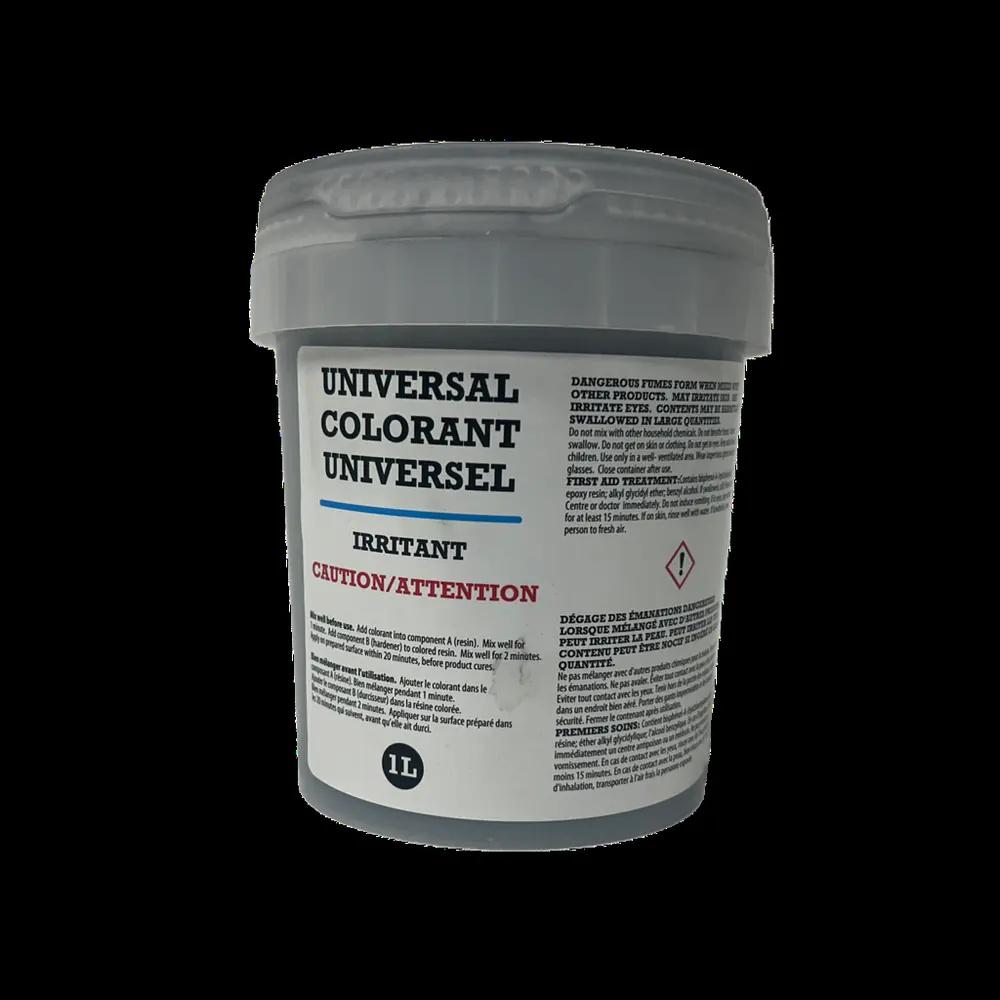
Tex Tuff Universal Pigment Pack
One-liter colored pigment dispersion for tinting 100% solids epoxy, polyurethane, polyaspartic and polyurea floor coating systems on site.
$33.95
SKU 1401
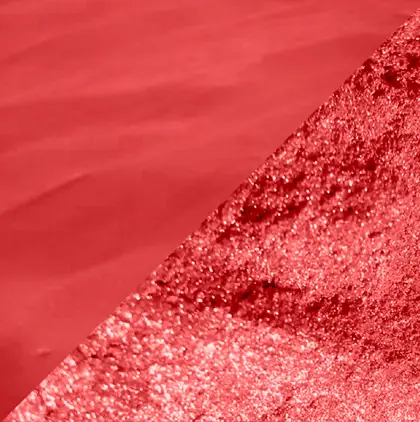
Metallic Mica Powder
Floor-grade metallic mica pigment dispersed into 100% solids resin to build a metallic epoxy floor with depth and movement.
$49.00
SKU 1369
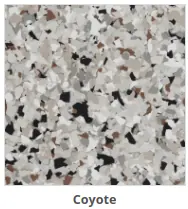
Torginol® Polymer FLAKE
Colored polymer chip broadcast into a wet epoxy base coat to build a flake floor with hiding power and texture.
$120.00
SKU 1355
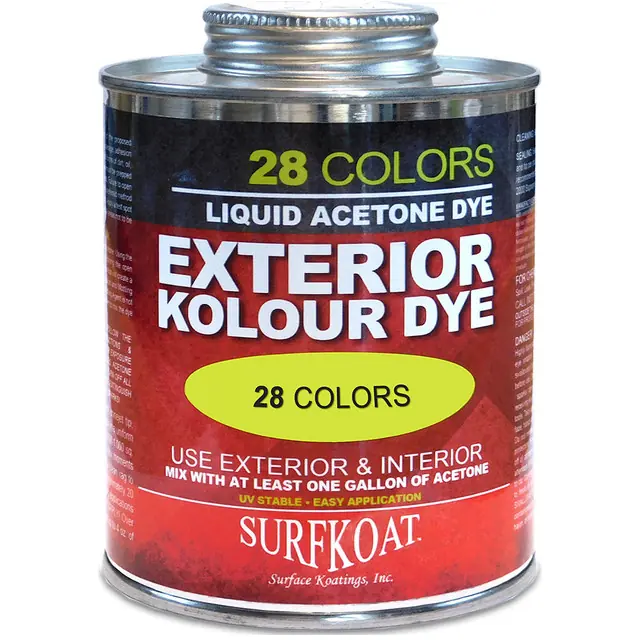
Acetone Exterior Dye
Semi-transparent acetone concrete dye in 15 colors that penetrates for an acid-stain patina without the cure and rinse wait.
$59.95
SKU 1367