
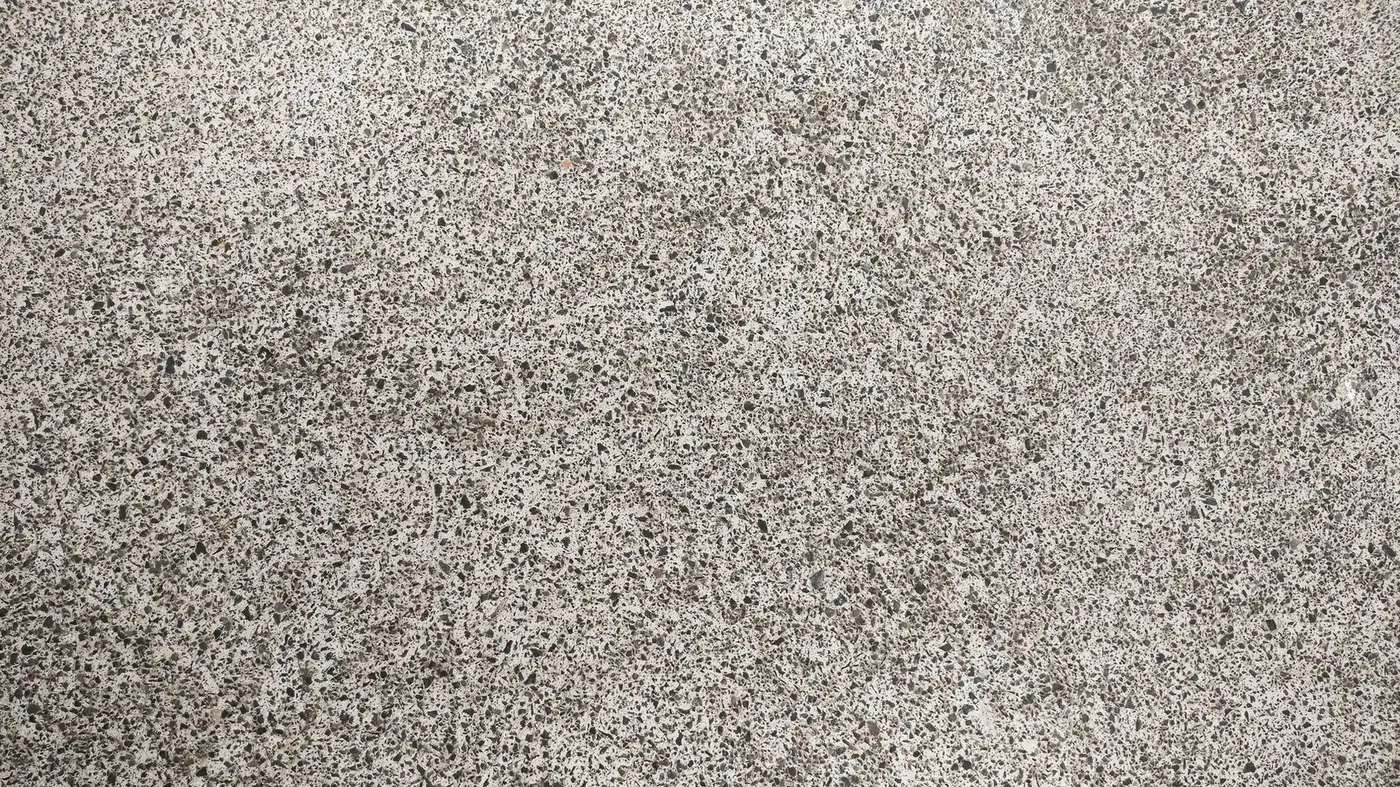
12 products, shipped nationwide
Overlays & Sealers
Concrete overlays, resurfacing mixes, penetrating and topical sealers, stains and matting agents for restoring and finishing concrete surfaces. Bought by decorative concrete and coating contractors working driveways, patios, interiors and polished floors.
Overlays & Sealers
12 products · $5.60 to $895.00
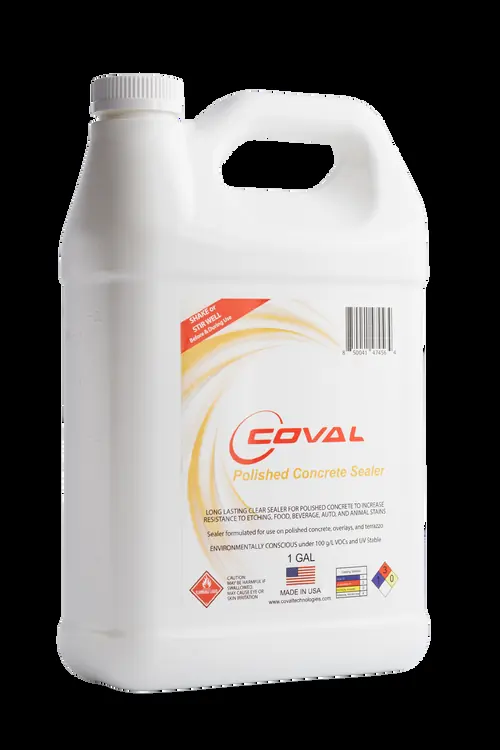
Coval® Polished Concrete Sealer
Protective sealer for polished concrete and terrazzo that guards the surface without altering its existing glossy sheen.
$895.00
SKU 1363
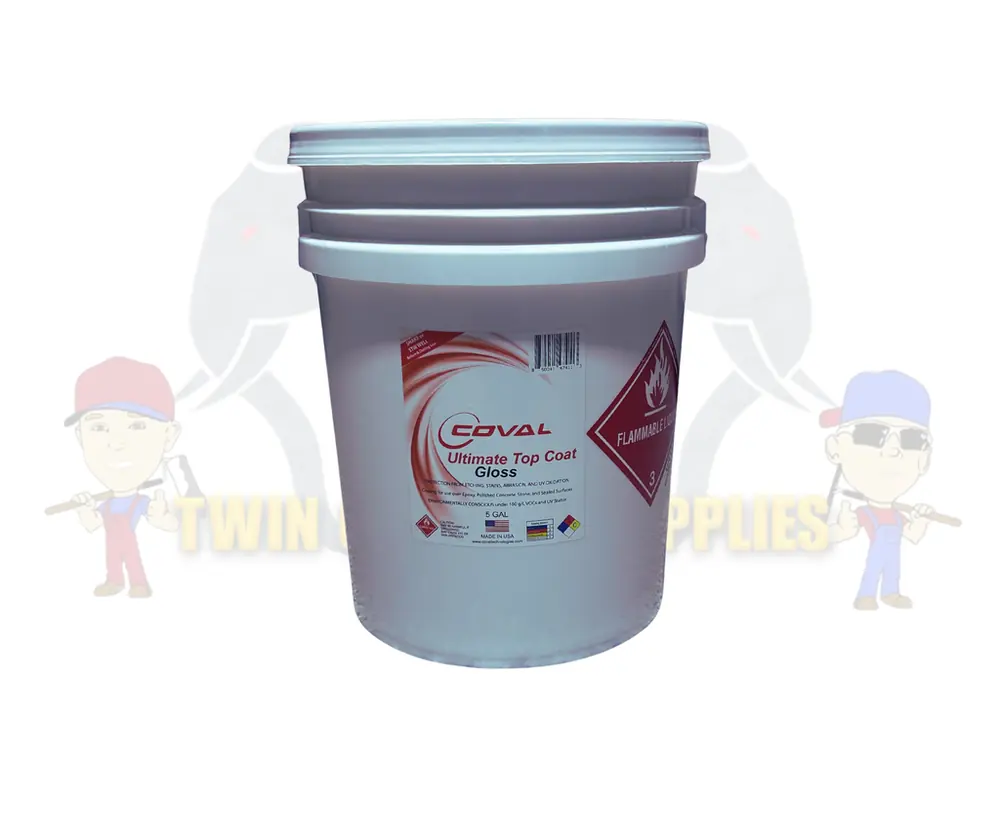
Coval® Ultimate Top Coat
Single-component gloss top coat that bonds to epoxy, terrazzo, polished, stained or sealed concrete and eliminates wax and guard programs.
$715.00
SKU 1365
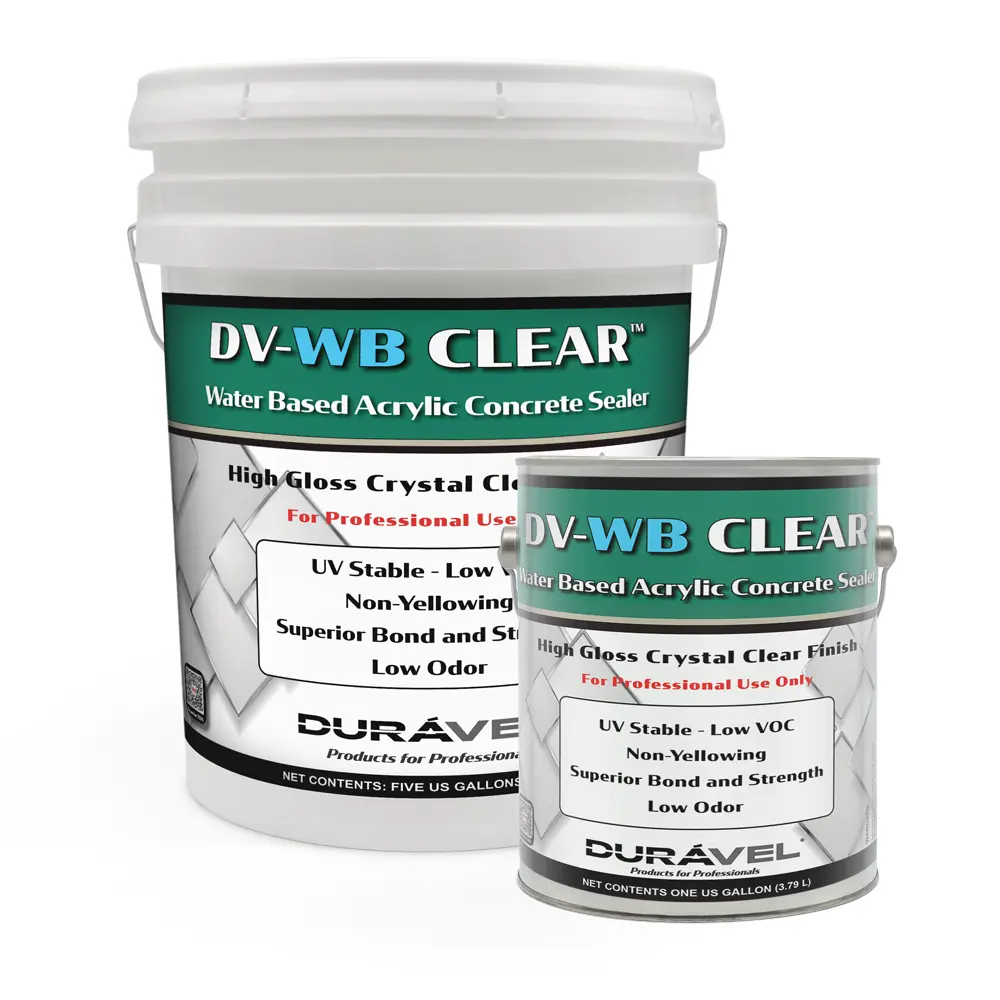
Duravel DV-WB™ Clear Water-Based Exterior Concrete Sealer
Water-based clear acrylic sealer for exterior concrete and overlays, engineered for adhesion, chemical resistance and hot tire pickup prevention.
$268.37
SKU 1703
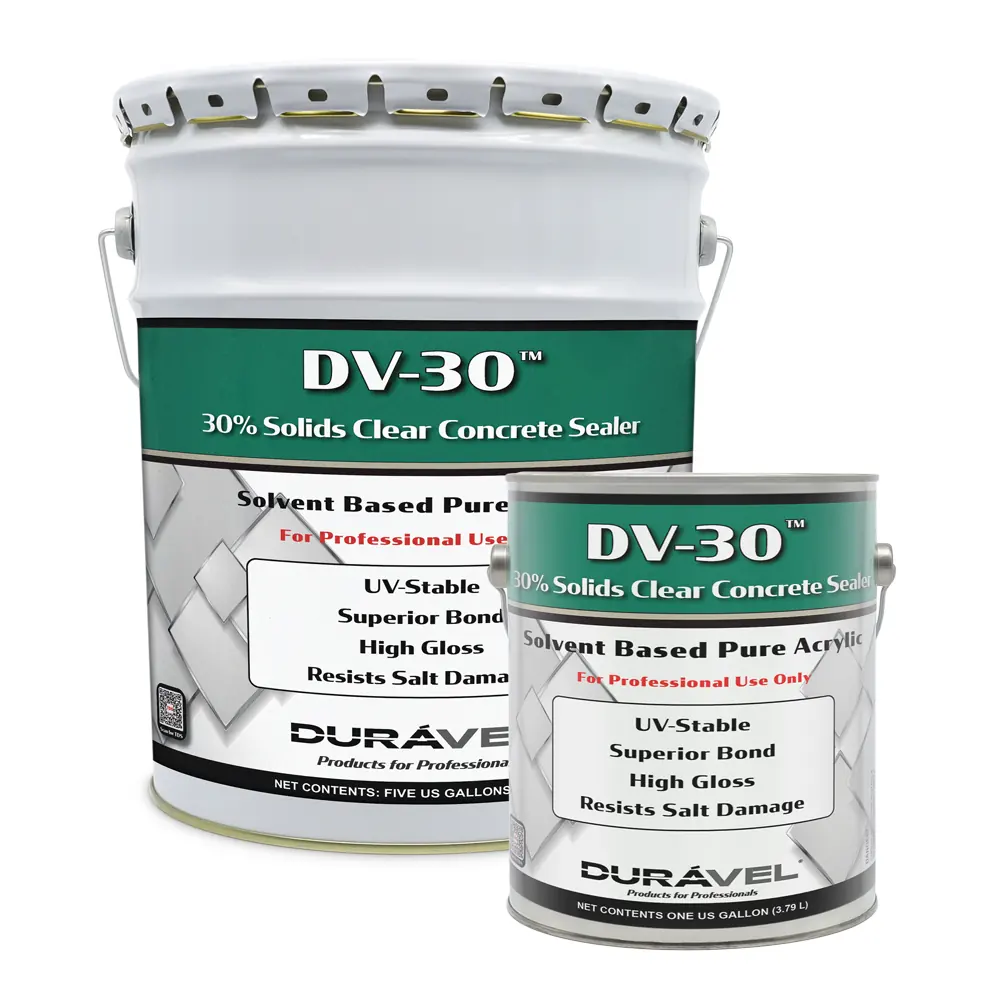
Duravel DV-30™ 30% Solids Clear Acrylic Sealer
Premium 30% solids clear acrylic sealer that gives concrete and overlays a high-gloss, non-yellowing, easily recoated finish.
$246.34
SKU 1702
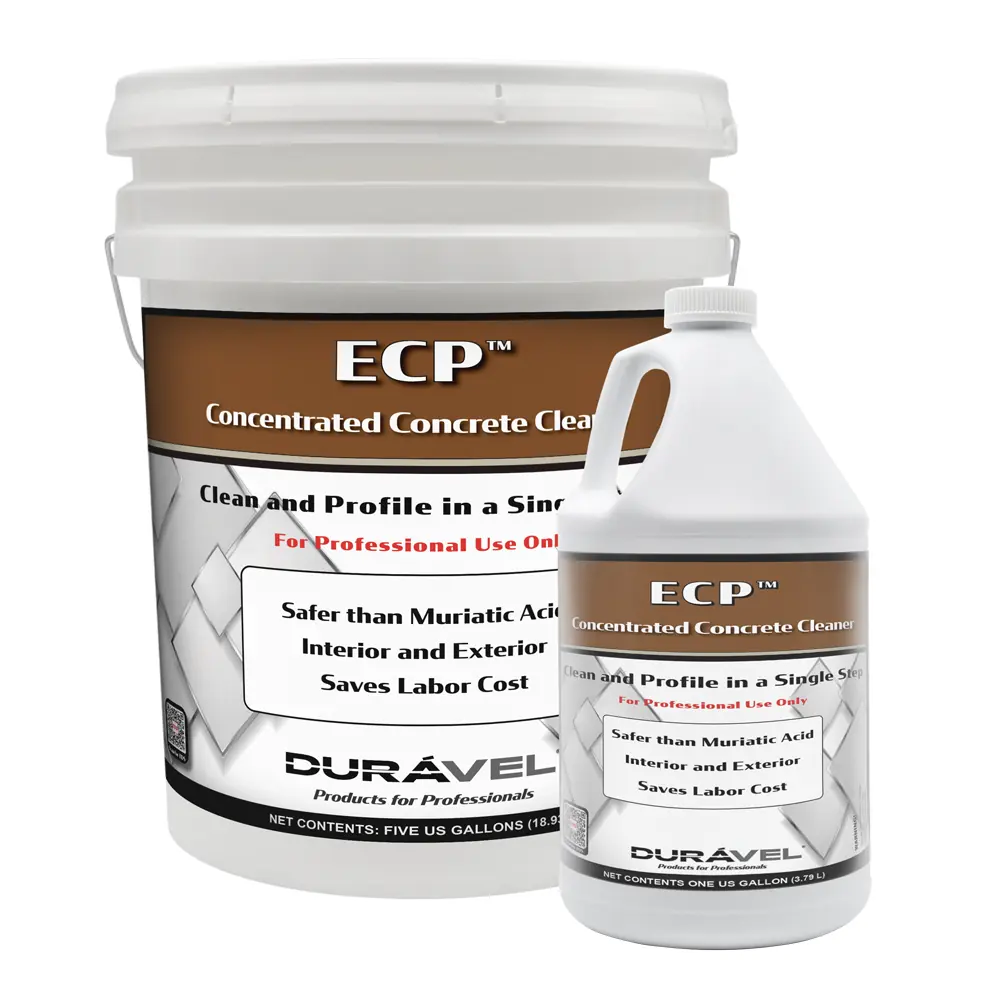
Duravel - ECP Concentrated Cleaner
Concentrated cleaner and concrete profiler that preps slabs for overlays, stains and coatings with no neutralization step required.
$136.38
SKU 1701
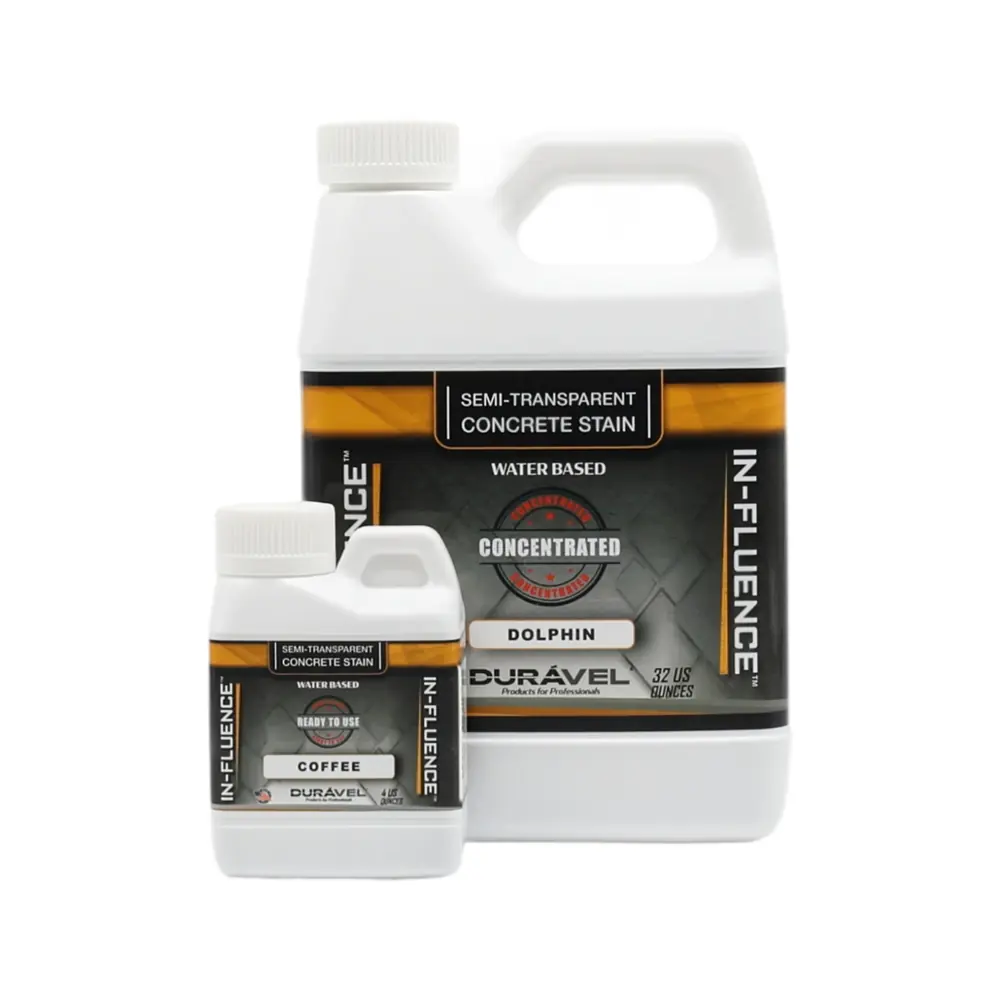
Concrete Stain In-Fluence by Duravel
Semi-transparent water-based concrete stain in six UV-stable colors, for interior or exterior concrete and cementitious overlays.
$69.17
SKU 1704
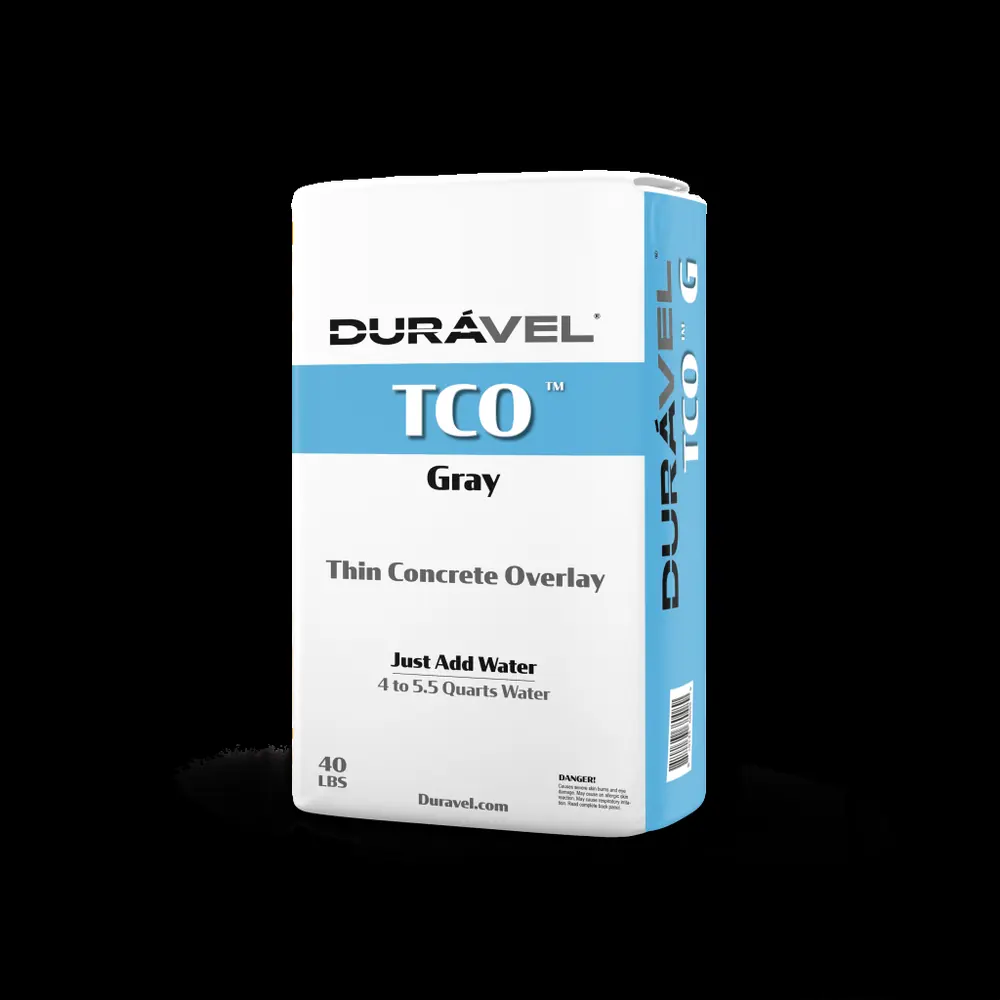
Duravel TCO™ - Thin Concrete Overlay Gray
Flexible thin concrete overlay in gray, 40 lb bags, that renews worn concrete with a smooth microcement finish or custom texture.
$61.33
SKU 1707
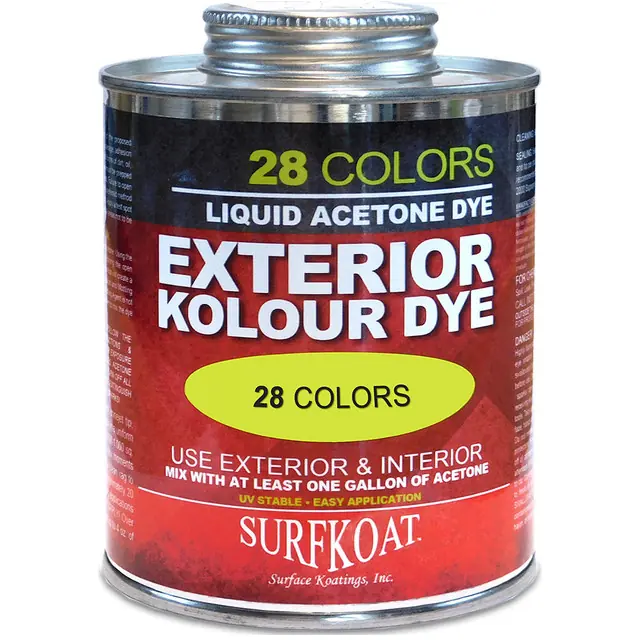
Acetone Exterior Dye
Semi-transparent acetone concrete dye in 15 colors that penetrates for an acid-stain patina without the cure and rinse wait.
$59.95
SKU 1367
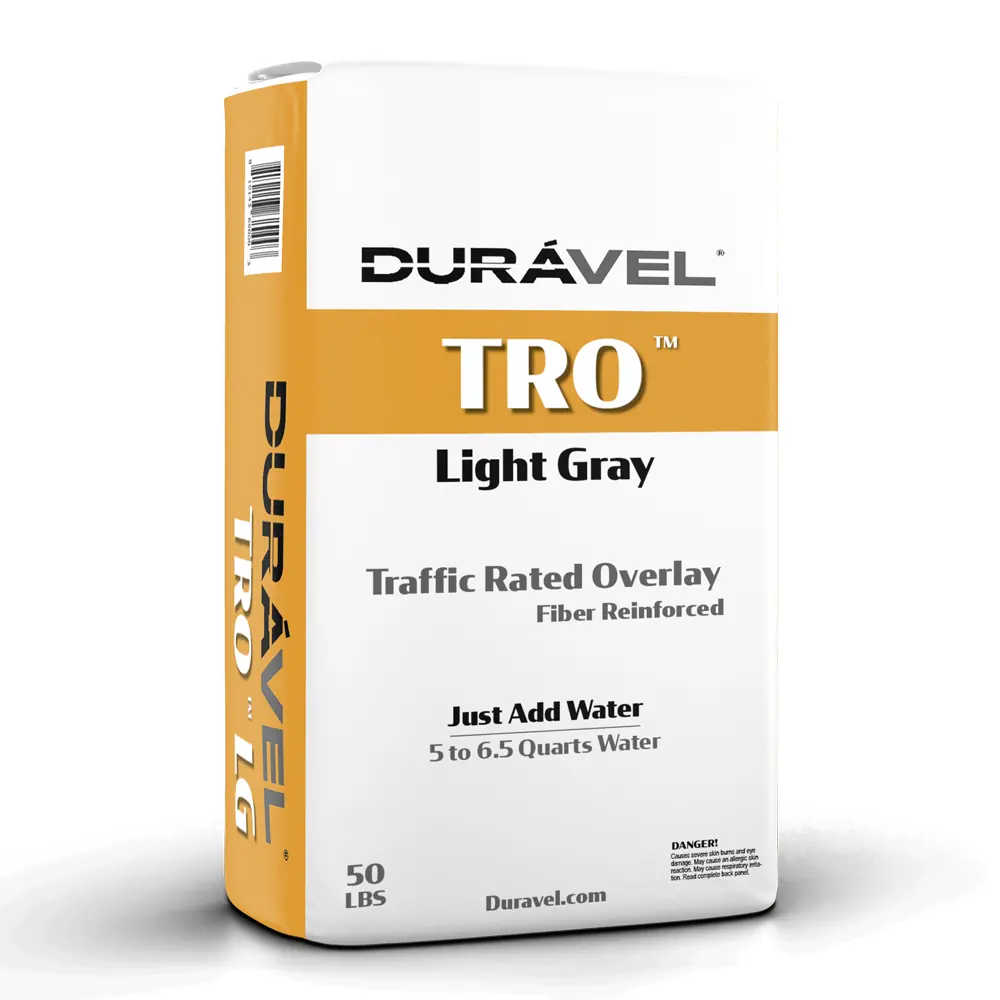
Duravel TRO™ Traffic Rated Concrete Overlay Mix
Fiber-reinforced traffic-rated cement overlay that cures over 4,500 PSI and stands up to residential, commercial and forklift traffic.
$53.00
SKU 1708
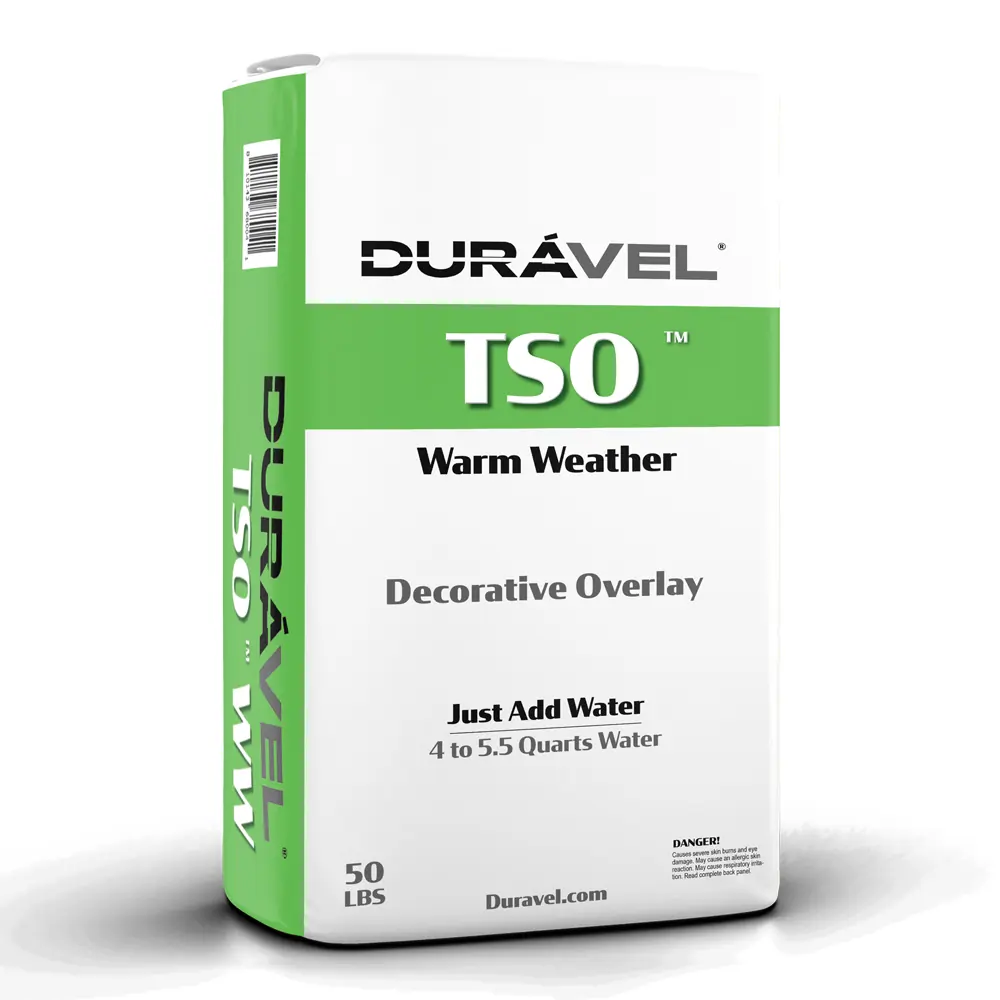
Duravel TSO™ Decorative Concrete Overlay
Heavy-duty self-bonding decorative cement overlay, add water only, integrally colorable and textured with standard tools.
$51.99
SKU 1709
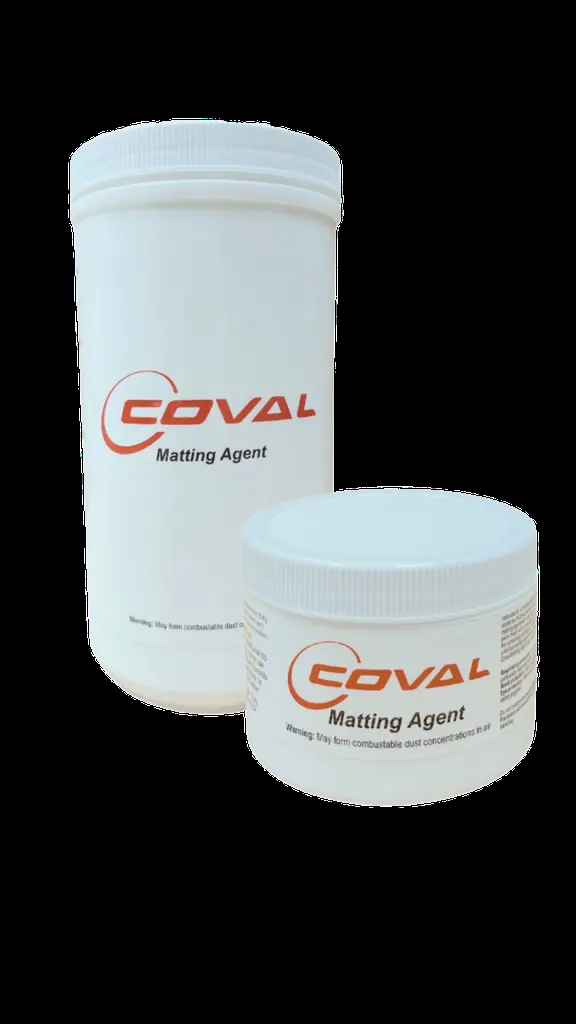
Coval® Matting Agent
Additive used with Coval sealers and top coats to bring the finished sheen down from gloss toward satin or matte.
$45.00
SKU 1362
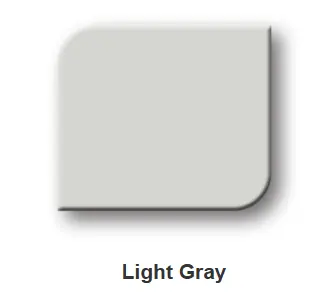
Duravel Overlay Color Pack
Integral color pack added to Duravel cementitious overlay mixes so color runs through the material rather than sitting on top.
$5.60
SKU 1705
Resurface, seal or coat: matching the product to the slab
This category answers two different questions. What do I do about a slab that looks bad, and what do I put on a slab that looks good.
Overlays answer the first. An overlay is a cementitious layer applied over existing concrete to give it a new surface, and it exists because tearing out and repouring a slab is expensive. Thin overlays skim the surface for cosmetic renewal. Traffic rated overlays are formulated for driveways and areas that carry vehicles. Decorative overlays are built to be stamped, textured or colored. What all of them share is that they are only as good as their bond to the slab underneath. Overlays go over structurally sound concrete that has been mechanically prepared and cleaned, and they will not fix a slab that is failing structurally or one that is still moving.
Sealers answer the second, and the split that matters is penetrating versus topical. A penetrating sealer soaks into the concrete and reacts or lodges below the surface, protecting against water and salt intrusion while leaving the slab looking essentially unchanged and leaving the surface breathable. Because there is no film on top, there is nothing to peel, which is what makes penetrating sealers the sensible choice for exterior flatwork in freeze and thaw climates. A topical sealer forms a film on the surface. That film gives you gloss, color enhancement and stain resistance, and it is what people mean when they want a wet look driveway or a sheen on a polished interior floor. The cost is that a film can wear, can peel if it was applied over a damp or dirty slab, and can trap moisture in an exterior slab that needs to breathe.
Sheen is its own decision, and it is where matting agents come in. A matting agent knocks a gloss product down toward satin or matte. Gloss shows more depth and more color, and it also shows every scuff, every scratch and every bit of dust. On a large commercial floor, a lower sheen usually looks better six months in. Stains and dyes sit alongside both, since color goes into the concrete or the overlay before the sealer goes over it. The sequence is preparation, color, then seal, and getting that order wrong means stripping a sealer to fix a color.
The universal rule in this category is preparation and dryness. Overlays need a mechanically prepared, clean, sound substrate. Sealers need a slab that is clean and dry, since sealing moisture into concrete causes blushing, cloudiness and adhesion failure. Test rather than assume, and sample any decorative product on the actual slab before committing the whole job to it.
What to check before you order
- Confirm the substrate is structurally sound before specifying an overlay, since overlays do not fix failing slabs
- Decide penetrating or topical, since exterior freeze and thaw flatwork usually calls for penetrating
- Check that the slab is clean and dry, and verify with a moisture test rather than by appearance
- Match the sheen to the floor's use, since high gloss shows every scuff on a busy floor
- Confirm whether the sealer is water-based or solvent-based, and check ventilation and recoat implications
- Sample color and sheen on the actual slab before committing the full job
Overlays & Sealers: common questions
What is the difference between a penetrating sealer and a topical sealer?
A penetrating concrete sealer soaks into the slab and protects from within, leaving the appearance largely unchanged and the surface breathable with no film to peel. A topical sealer forms a film on top that adds gloss, color depth and stain resistance, but that film can wear or peel.
Can you put an overlay over existing concrete?
A concrete overlay can be applied over existing concrete when the slab is structurally sound, mechanically prepared and clean. Overlays renew the surface, they do not repair structural problems, so a slab that is heaving, actively cracking or delaminating needs the underlying issue addressed first.
Which sealer is best for an exterior concrete driveway?
Exterior driveways in freeze and thaw climates are usually best served by a penetrating sealer, because it protects against water and salt intrusion without forming a film that can peel or trap moisture in the slab. Topical sealers are chosen when a wet look or gloss is the goal.
How long does concrete need to cure before sealing?
New concrete needs to cure and dry before a sealer goes on, since sealing a damp slab traps moisture and causes cloudiness, blushing or adhesion failure. The wait is longer than most people expect, and the reliable check is a moisture test rather than how the surface looks.
What does a matting agent do to a sealer?
A matting agent is added to a clear sealer or topcoat to reduce its sheen, taking a high gloss finish down toward satin or matte. Lower sheen hides scuffs, scratches and dust far better than gloss, which is why busy commercial floors often specify a matte finish.
Do you stain concrete before or after sealing?
Concrete is stained or dyed before sealing, never after. The correct sequence is surface preparation, then color, then sealer, because a sealer film blocks stain from reaching the concrete. Fixing color on an already sealed slab means stripping the sealer off first.