
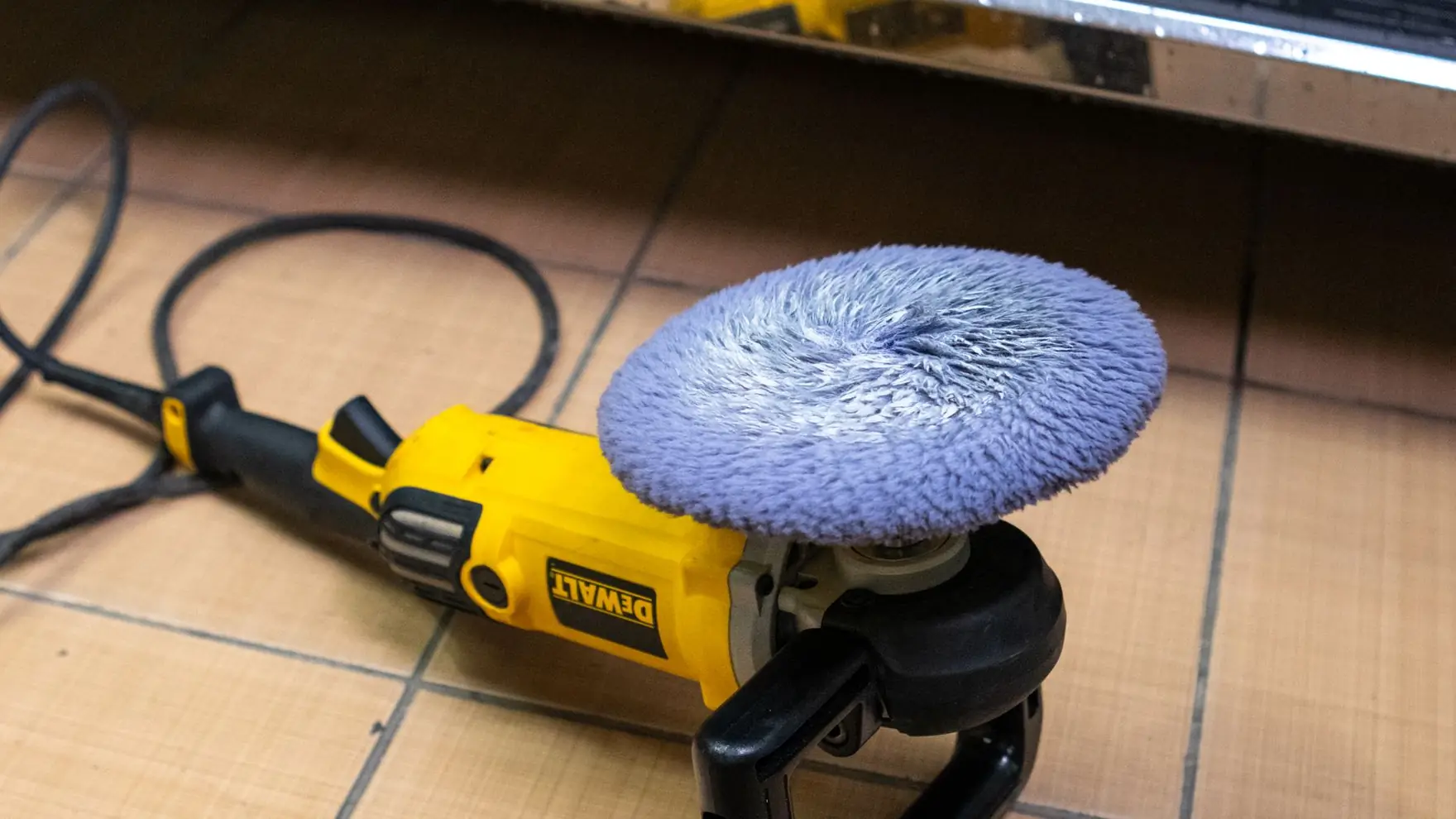
5 products, shipped nationwide
Sealers
Concrete sealers and clear topcoats for protecting interior and exterior slabs, polished concrete and decorative surfaces, plus matting agents for controlling sheen. Bought by contractors finishing driveways, patios, showroom floors and polished concrete.
Sealers
5 products · $45.00 to $895.00
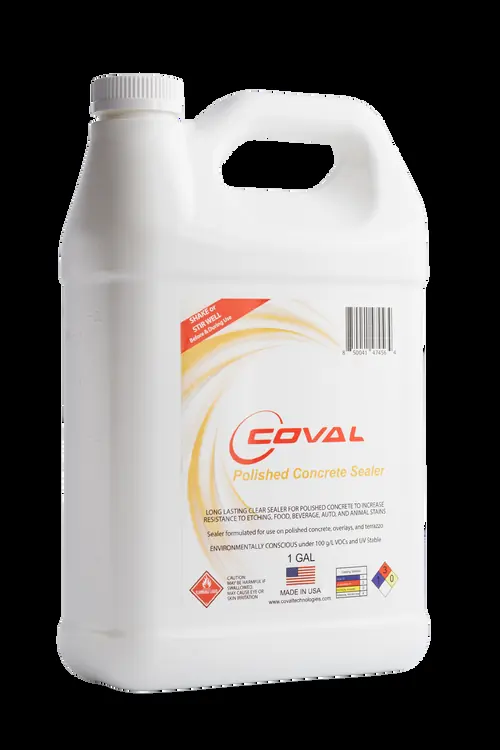
Coval® Polished Concrete Sealer
Protective sealer for polished concrete and terrazzo that guards the surface without altering its existing glossy sheen.
$895.00
SKU 1363
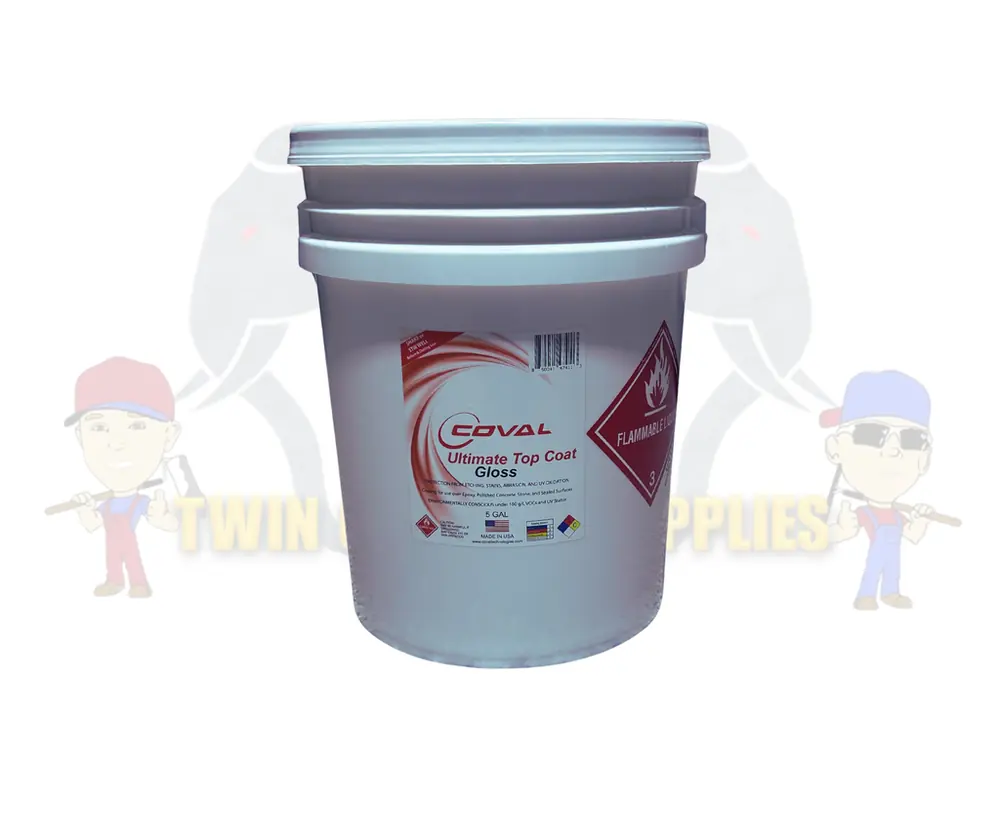
Coval® Ultimate Top Coat
Single-component gloss top coat that bonds to epoxy, terrazzo, polished, stained or sealed concrete and eliminates wax and guard programs.
$715.00
SKU 1365
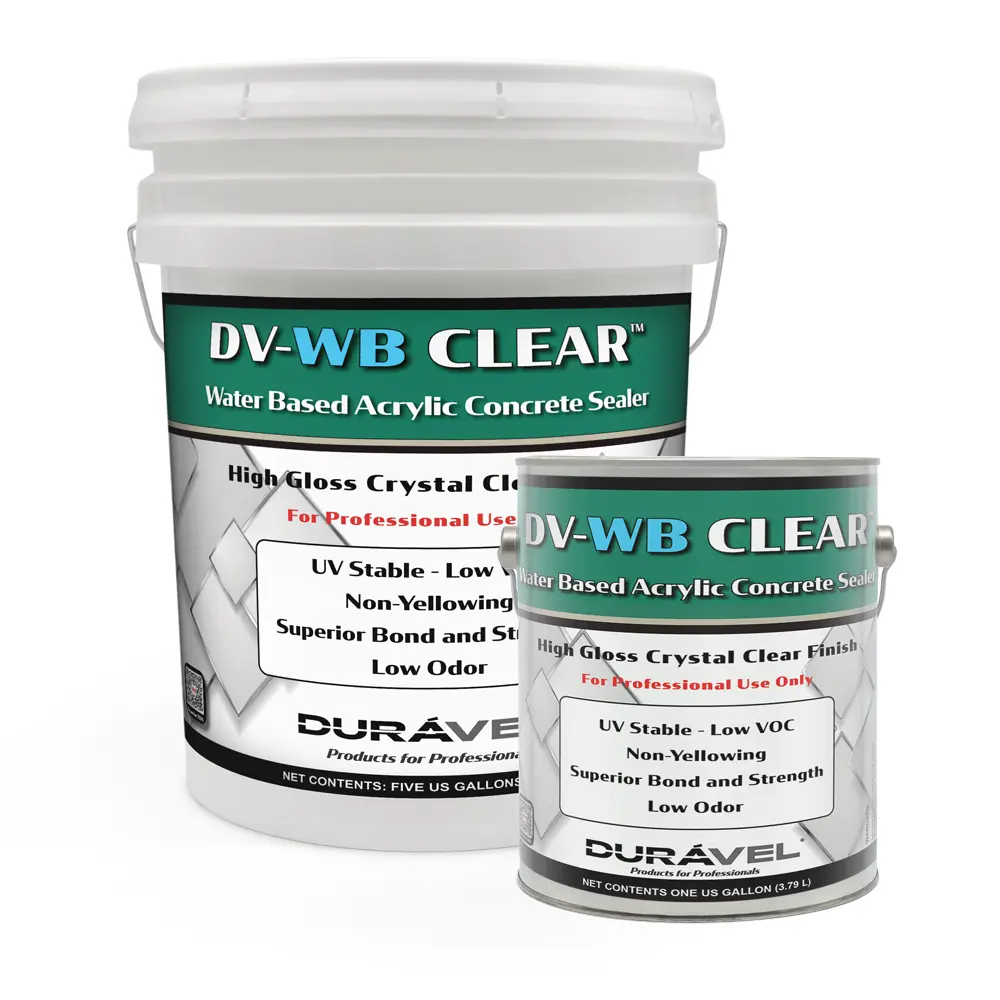
Duravel DV-WB™ Clear Water-Based Exterior Concrete Sealer
Water-based clear acrylic sealer for exterior concrete and overlays, engineered for adhesion, chemical resistance and hot tire pickup prevention.
$268.37
SKU 1703
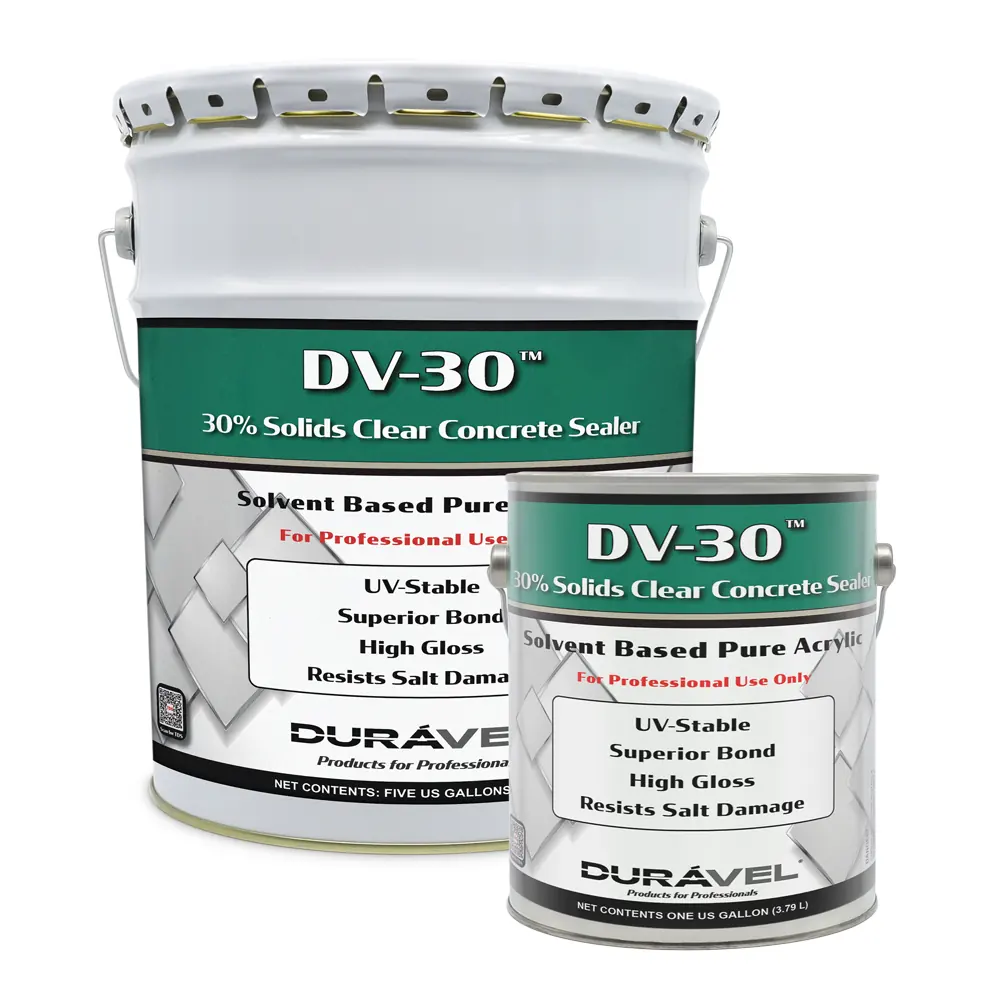
Duravel DV-30™ 30% Solids Clear Acrylic Sealer
Premium 30% solids clear acrylic sealer that gives concrete and overlays a high-gloss, non-yellowing, easily recoated finish.
$246.34
SKU 1702
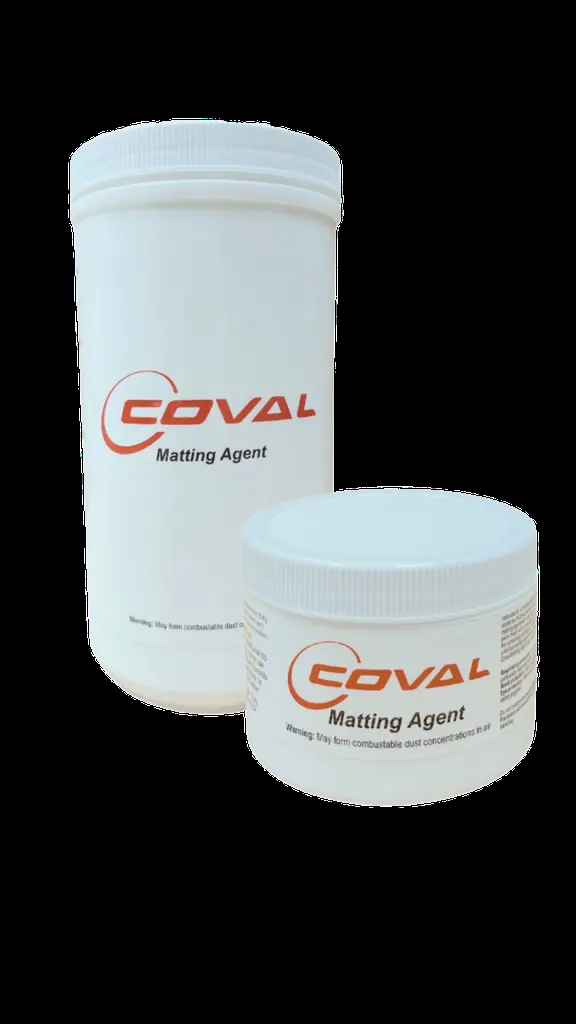
Coval® Matting Agent
Additive used with Coval sealers and top coats to bring the finished sheen down from gloss toward satin or matte.
$45.00
SKU 1362
Penetrating versus topical, and choosing your sheen
The first decision on any sealer is whether you want protection inside the concrete or a film on top of it, because everything else follows from that.
A penetrating sealer soaks in and works below the surface, reducing water and salt absorption while leaving the slab looking close to how it started and leaving it breathable. Because there is no film, there is nothing to peel, blister or wear through. That is the argument for penetrating sealers on exterior flatwork, particularly in freeze and thaw climates where a trapped-moisture failure is the common outcome with the wrong product.
A topical sealer forms a film. The film is what gives you gloss, deepened color, stain resistance and an easily cleaned surface, which is why interior floors, polished concrete and decorative work usually get one. The trade-offs are real. A film wears where the traffic is, it can peel if it went down on a damp or contaminated slab, and on an exterior slab it can trap moisture.
Sheen is the second decision and it is worth more thought than it usually gets. High gloss reads as depth and richness on the day of handover, and it shows every scuff, scratch and speck of dust afterward. A matting agent brings the sheen down toward satin or matte, and on a busy commercial floor a lower sheen almost always looks better in six months. Sheen is adjusted by product choice or by adding a matting agent, and it needs to be consistent across the whole floor, so sample it first.
Whichever direction you go, the slab has to be clean and dry. Sealing moisture into concrete produces cloudiness, blush and adhesion failure, and none of those are fixable without removing the sealer. Verify dryness with a test, not by looking at it.
What to check before you order
- Decide penetrating or topical first, since exterior freeze and thaw flatwork usually calls for penetrating
- Verify the slab is dry with a moisture test before sealing, since trapped moisture causes blush and failure
- Choose the sheen deliberately and add matting agent if a busy floor needs to hide scuffs
- Confirm water-based or solvent-based, and plan ventilation and cure conditions accordingly
- Check compatibility with any stain, dye or overlay already on the slab
- Confirm the recoat and maintenance path, since topical sealers eventually need refreshing
Sealers: common questions
What is the difference between a penetrating and a topical concrete sealer?
A penetrating concrete sealer absorbs into the slab and protects from within, leaving the look largely unchanged and the concrete breathable with no film to peel. A topical sealer forms a surface film that adds gloss, color depth and stain resistance but can wear, peel or trap moisture.
How long should concrete dry before applying a sealer?
Concrete must be fully dry before a sealer is applied, because sealing trapped moisture into the slab causes cloudiness, blushing and adhesion failure that cannot be fixed without removing the sealer. Verify dryness with a moisture test rather than judging by the surface appearance.
What does a matting agent do?
A matting agent is mixed into a clear sealer or topcoat to lower its sheen from gloss toward satin or matte. Lower sheen hides scuffs, scratches and dust far better than high gloss, which is why heavily trafficked commercial and retail floors are often specified matte.
Can you seal over a previously sealed concrete floor?
Resealing over an existing sealer requires knowing what is already down and confirming the two are compatible, since solvent-based products can lift water-based films and vice versa. Where the old sealer is unknown, worn or peeling, the reliable path is to remove it mechanically and start clean.
Are water-based or solvent-based sealers better?
Solvent-based concrete sealers generally produce a higher gloss and a deeper wet look, while water-based sealers have lower odor and simpler cleanup and are often chosen for occupied interiors. Both work when the slab is clean and dry, so the choice is usually about appearance and site conditions.