
5 products, shipped nationwide
Solvents
Solvents for concrete coating work, including acetone, xylene, denatured alcohol and isopropyl alcohol, plus the sprayers used to apply them. Bought by contractors for surface wipe downs, dye carriers, thinning and tool cleanup.
Solvents
5 products · $18.99 to $159.00
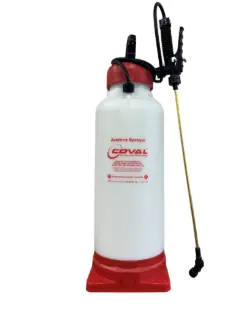
Coval SP-12 Acetone Sprayer
Solvent-rated hand sprayer built for Coval coating installation, supplied with three tips for gloss, satin and matte work.
$159.00
SKU 1790
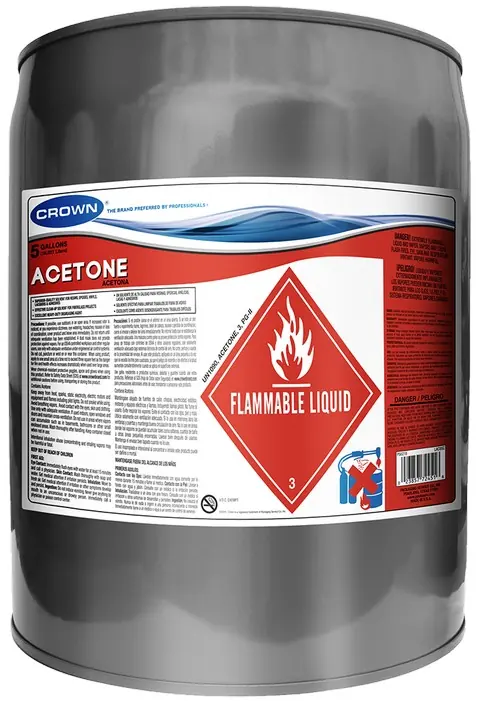
Crown Acetone Fastest Drying Solvent
Fast-flashing acetone in 1 and 5 gallon sizes for tool cleanup, uncured resin removal and solvent wiping.
$96.00
SKU 1384
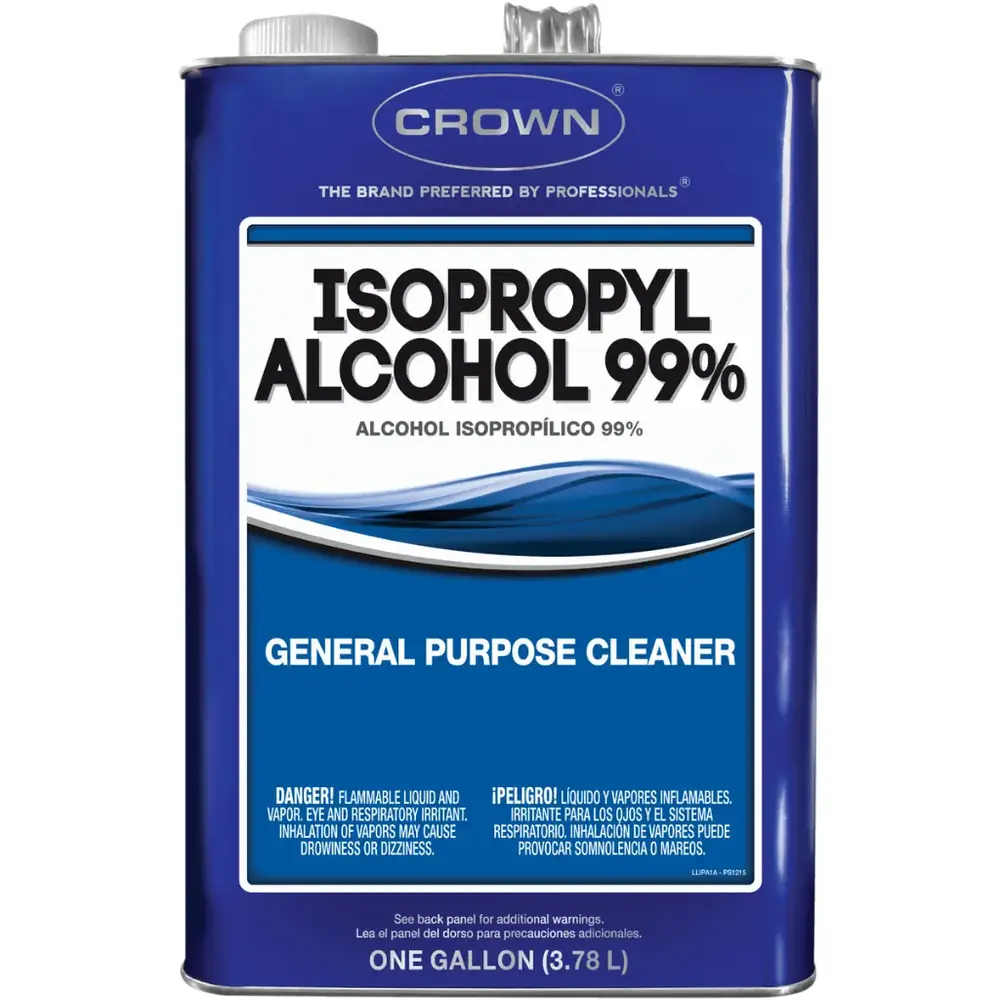
Crown Isopropyl Alcohol 99%
One gallon of 99% isopropyl alcohol for clean, low-residue wiping of surfaces and tools ahead of repairs and coatings.
$37.95
SKU 1408
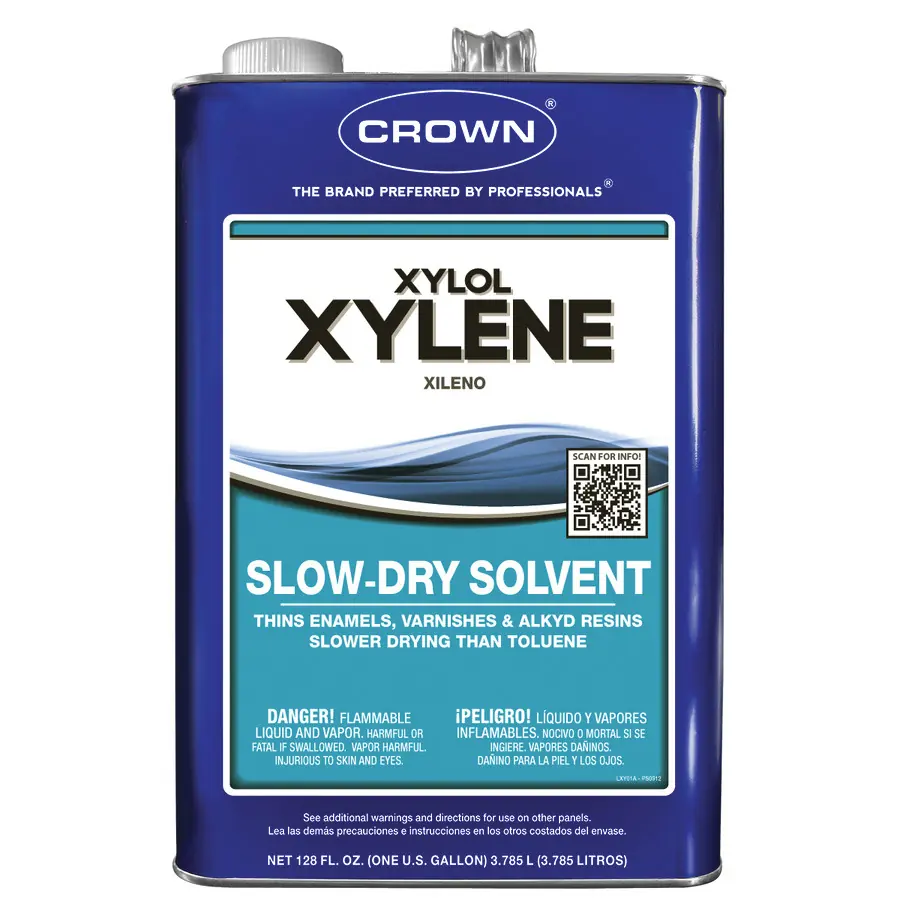
Crown Xylene Slow Dry Solvent
Slow evaporating xylene in 1 and 5 gallon sizes for solvent-based coating work, wet edge control and cleanup.
$25.56
SKU 1407
Crown 1gal Denatured Alcohol
One gallon of Crown denatured alcohol for cleaning glass and metal, cutting shellac, and use as a clean-burning fuel.
$18.99
SKU 1769
Choosing a solvent by evaporation rate
Solvent choice on a coating job comes down to how fast you want it to leave. That single property decides whether it works as a wipe down, a dye carrier or a thinner.
Acetone flashes off fastest. That makes it the usual choice for wiping a surface right before coating and for cleaning uncured resin off tools, because it does not leave a lingering wet film behind. It is also the standard carrier for acetone-based dyes, where the fast flash is what lets the dye set into the surface quickly.
Xylene is the slow end. A slower evaporation rate is what you want when a coating needs more open time to flow out, or when the surface is warm and everything is flashing too fast to work. Only thin a coating with a solvent the manufacturer approves, and only at the stated amount. Thinning a two-component resin by guess changes the cure, not just the viscosity.
Alcohols sit in between and cover different work. Denatured alcohol and high purity isopropyl are used for cleaning, degreasing surfaces and removing residues where a stronger solvent would attack the substrate.
Handle all of them the same way. Solvent vapors are heavier than air and pool at floor level, which is exactly where this work happens. Ventilate, keep ignition sources away, use chemical resistant gloves, and use a sprayer with solvent rated seals if you are spraying rather than wiping. Store containers closed, since half of what is in an open can is gone by the next morning.
What to check before you order
- Pick the solvent by evaporation rate: acetone for fast flash, xylene for slow, alcohols for cleaning
- Confirm the coating manufacturer approves that solvent before using it as a thinner, and use only the stated amount
- Check that any sprayer you use has solvent rated seals and gaskets
- Confirm ventilation and ignition source controls at the job site before the solvent arrives
- Check shipping restrictions, since flammable solvents ship under different rules than coatings
Solvents: common questions
What solvent cleans up uncured epoxy?
Acetone is the usual solvent for cleaning uncured epoxy and polyaspartic from tools, mixing paddles and equipment, because it flashes off fast and cuts resin quickly. Once the resin has cured, no solvent will remove it and the only option is mechanical removal, so clean tools immediately.
What is the difference between acetone and xylene on a coating job?
Acetone evaporates very quickly, which suits surface wipe downs, dye carriers and tool cleanup. Xylene evaporates slowly, which suits situations where a coating needs more open time to flow out or the slab is warm. Only use either as a thinner if the coating manufacturer approves it.
Can I thin epoxy with acetone?
Thin a two-component epoxy only with the solvent the manufacturer approves and only at the stated percentage, because solvent changes how the resin cures, not just how it flows. Adding acetone to an epoxy that was not formulated for it can leave a soft film or a poor bond.
How should solvents be handled on a floor coating job?
Solvents used on floor coating work give off vapors heavier than air that collect at floor level, so ventilate the space, remove ignition sources, and wear chemical resistant gloves and eye protection. Keep containers closed when not in use, and use only sprayers with solvent rated seals.