
Crown Polymers
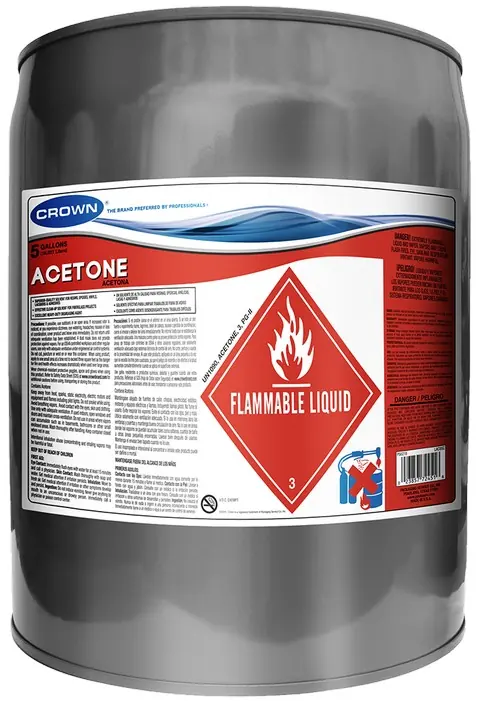
Crown Acetone Fastest Drying Solvent
Fast-flashing acetone in 1 and 5 gallon sizes for tool cleanup, uncured resin removal and solvent wiping.
Specifications
- Sizes
- 1 gallon and 5 gallon
- Brand
- Crown
- Type
- Acetone, fast evaporating solvent
- SKU
- 1384
- Ships in
- 2 to 3 business days
Good to know
- Acetone flashes off fast, which makes it right for quick wipes and wrong when you need dwell time. Reach for xylene when you want a slower solvent.
- It is not surface prep and not a degreaser. Grind the floor for the bond, and use a dedicated degreaser on oil-contaminated concrete.
- Thin coatings only with the solvent named on that product's technical data sheet. Substituting acetone changes pot life, cure and film build.
- Highly flammable with fast vapor buildup. Ventilate, remove ignition sources including pilot lights and heaters, wear chemical-resistant gloves and eye protection, and handle solvent-soaked rags properly.
- Ground shipping rules apply to solvents. Call 817-676-6793 for bulk or freight orders.
About the Crown Acetone Fastest Drying Solvent
Crown Acetone is the fastest drying of the common shop solvents, available here in 1 gallon and 5 gallon. On a coating crew it does three jobs: it cleans tools and equipment before resin cures on them, it removes uncured epoxy, urethane and polyaspartic from surfaces and skin contact areas, and it serves as a solvent wipe where a manufacturer's data sheet calls for one.
The fast flash is the entire point and also the entire limitation. Acetone leaves a surface almost immediately, which is why it is the right choice when you need a wiped area dry and ready to coat in minutes rather than an hour. It is also why it is a poor choice when you want a solvent to sit and work, or when you are trying to keep a wet edge. For slow work, xylene is the better tool.
What acetone is not: it is not surface prep. It does not open a profile, and no amount of wiping replaces diamond grinding. It is not a real degreaser for a slab that has oil driven into it, because it thins the oil and drives it deeper as often as it lifts it. It is not a general purpose thinner either. Thin a coating only with the solvent that coating's own technical data sheet names, at the ratio the sheet gives. Adding acetone to a system that does not call for it changes pot life, cure and film build in ways you will not see until the floor is finished.
Acetone is highly flammable and evaporates quickly into a large volume of vapor. Use it with real ventilation, keep it well away from pilot lights, heaters, grinders and any other ignition source, wear chemical-resistant gloves and eye protection, and keep containers closed. Solvent-soaked rags need proper handling and disposal rather than a pile in a warm truck. A 5 gallon pail of acetone in an enclosed garage is a serious fire hazard, not a minor one.
Solvents are regulated for shipment, so ground shipping rules apply. Call 817-676-6793 for bulk or freight orders.
What it is used for
- Cleaning rollers, squeegees, spike shoes and mixing equipment
- Removing uncured epoxy, urethane and polyaspartic
- Solvent wipes where a coating data sheet calls for one
- Cleaning up spilled resin before it sets
- Charging solvent-rated sprayers used with Coval systems
Questions about this product
What is acetone used for on a concrete coating job?
Crown acetone is used to clean tools and equipment before resin cures on them, to remove uncured epoxy, urethane or polyaspartic from surfaces, and as a solvent wipe where a coating data sheet calls for one. It is the fastest flashing of the common shop solvents.
Can I use acetone to clean concrete before epoxy?
Acetone will lift light surface residue, but it is not concrete prep. It creates no mechanical profile and it is not a degreaser, since it can thin oil and carry it deeper into a slab. Diamond grind the floor for bond and use a dedicated degreaser on contamination.
Can acetone thin epoxy or polyaspartic?
Only if the coating's own technical data sheet names acetone and gives a ratio. Adding acetone to a resin system that does not call for it will change pot life, cure and final film build, and the failure usually appears after the floor is finished rather than while you are working.
What is the difference between acetone and xylene?
Acetone evaporates very fast, which suits quick tool cleanup and solvent wipes where you need the surface dry in minutes. Xylene evaporates much more slowly, so it stays wet longer, keeps a wet edge and is used where a coating manufacturer specifies a slower solvent.
Is acetone safe to use in a closed garage?
No. Acetone is highly flammable and produces a large volume of vapor quickly, so an enclosed garage is exactly the wrong place for it. Open the space, move air, remove ignition sources including water heater pilot lights and space heaters, and wear chemical-resistant gloves and eye protection.
How does acetone ship?
Acetone is a flammable solvent regulated for transport, so ground shipping rules apply to both the 1 gallon and 5 gallon sizes. For pallet quantities or a freight order, call Twin Coating Supplies at 817-676-6793 before placing the order so we can confirm routing.
Goes well with
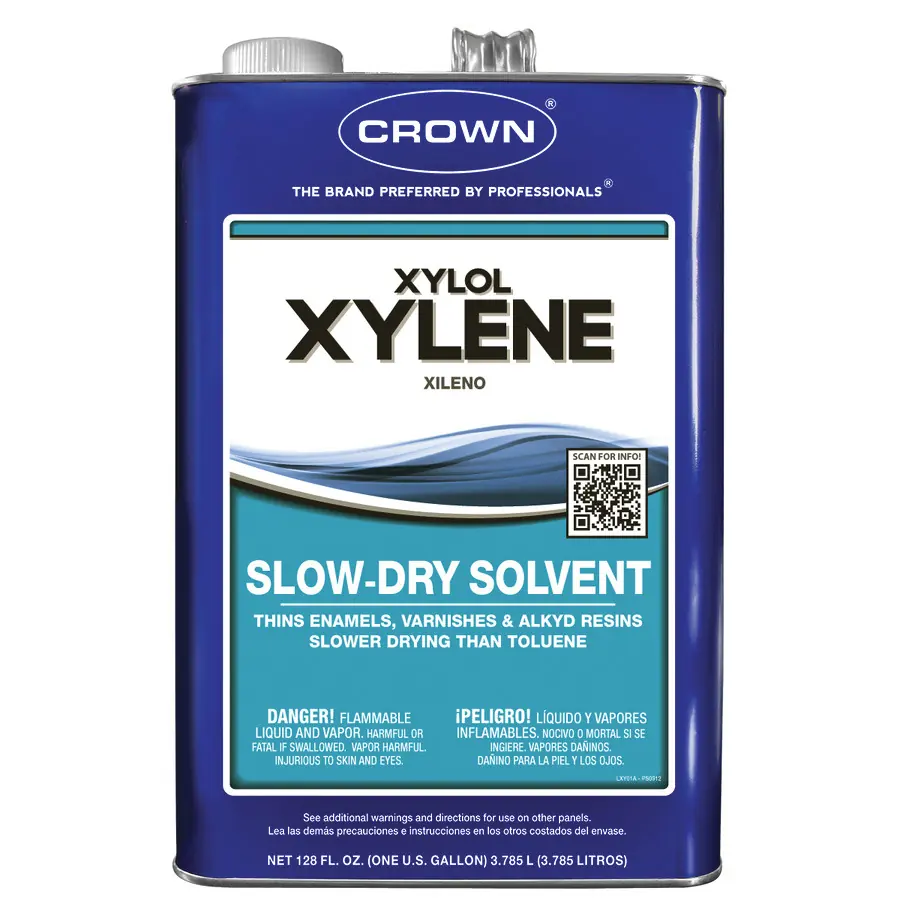
Crown Xylene Slow Dry Solvent
Slow evaporating xylene in 1 and 5 gallon sizes for solvent-based coating work, wet edge control and cleanup.
$25.56
SKU 1407
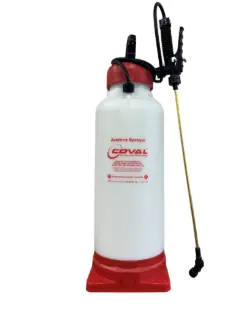
Coval SP-12 Acetone Sprayer
Solvent-rated hand sprayer built for Coval coating installation, supplied with three tips for gloss, satin and matte work.
$159.00
SKU 1790
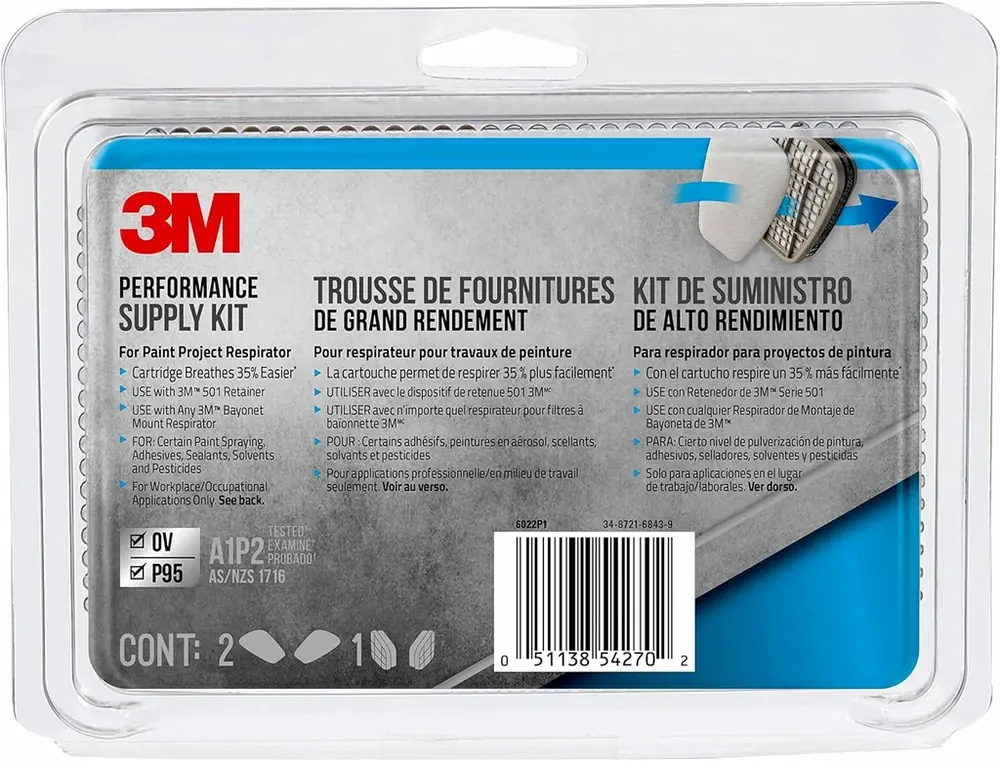
3M Performance Supply Kit
3M 6022 OV/P95 replacement cartridge and filter kit for the 3M Performance 6000 series reusable respirator.
$29.95
SKU 1379
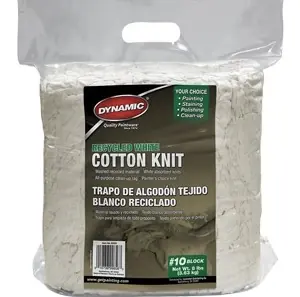
Dynamic Recycled White Knit
Recycled white knit wiping rags in 4 lb and 8 lb boxes for solvent wipes, resin cleanup and tool care.
$24.95
SKU 1548