
2 products, shipped nationwide
Concrete Grinders
Concrete grinders and dust shrouds for profiling slabs, removing coatings and polishing concrete. Bought by coating and polishing contractors working residential garages through large commercial floors.
Concrete Grinders
2 products · $259.00 to $15,620.00
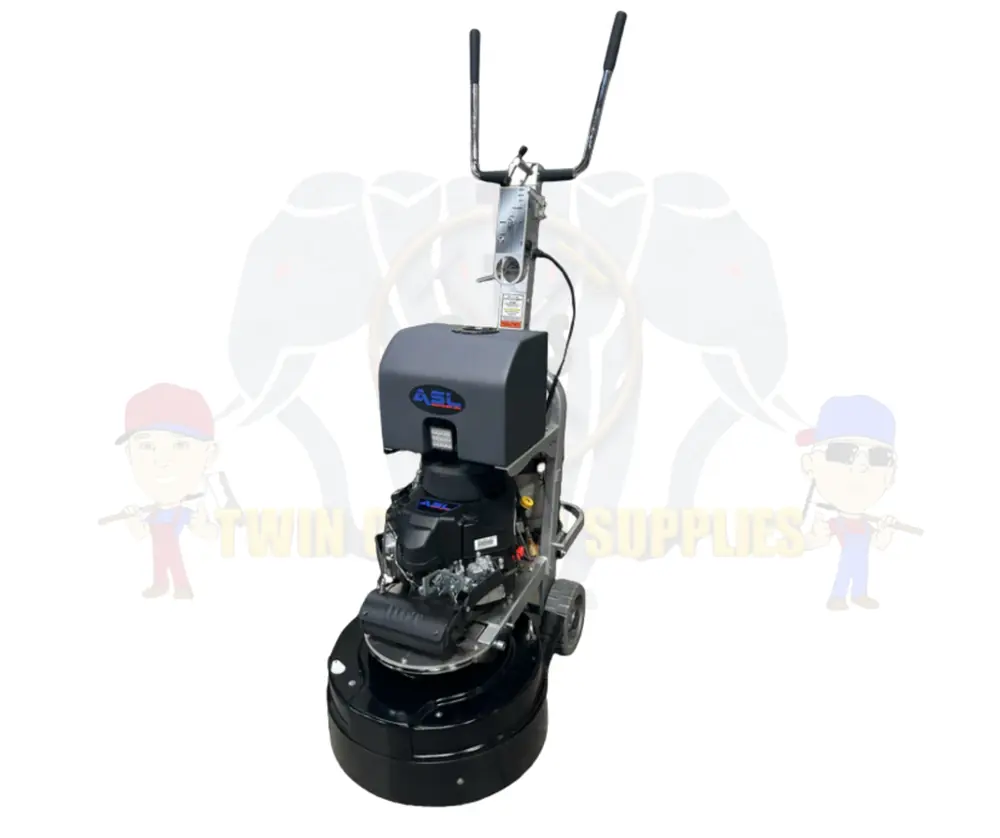
ASL PRO 8- 25" Propane Grinder
25 in gear-driven propane floor grinder with a 20 HP Kawasaki engine, supplied with 3 magnetic plates and a resin holder.
$15,620.00
SKU 1647
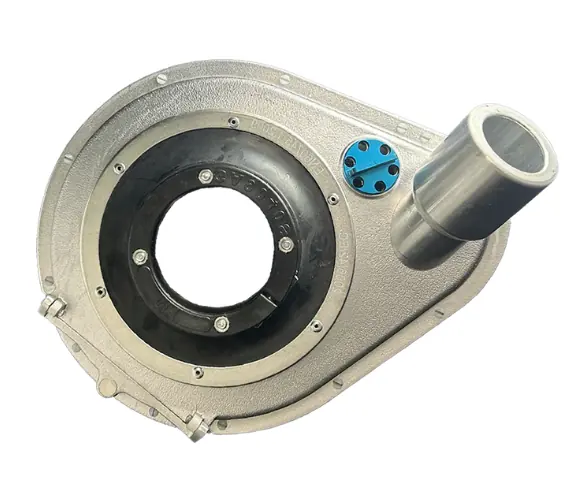
7" Aluminum Dust Shroud
Aluminum 7 in dust shroud for hand grinders, capturing concrete dust at the wheel when paired with a vacuum.
$259.00
SKU 1717
Machine size, power source and edge access
A grinder is chosen on three things: how much floor it has to cover, how it gets powered, and how it deals with the perimeter. Everything else is preference.
Coverage sets the machine size. Larger planetary heads cover more square footage per pass and leave a flatter floor because the head bridges high and low spots rather than following them. On a warehouse or a large commercial slab that is what makes the schedule work. On a residential garage a large machine is often more machine than the room can use, and the day is decided by edge work anyway.
Power source is a real constraint, not a preference. Propane machines run without a cord and suit large open floors with adequate ventilation, and ventilation is the condition, not a footnote. Electric machines suit interior and residential work, but they need the voltage and amperage on site, and residential service frequently cannot run a grinder and a dust extractor at the same time. When it cannot, a generator sized to the combined load becomes part of the package.
No planetary machine grinds to a wall. Every crew that finishes floors properly also runs a hand grinder with a dust shroud for edges, corners and closets, then blends that band into the field. Buying the big machine and no edge solution is the most common gap in a first equipment package.
The machine is only half the tool. Head speed, machine weight and the number of heads all change how a given diamond behaves, and the tooling has to be matched to both the machine and the concrete. Confirm the plate or quick-change system on the machine before you buy a set of diamonds for it.
What to check before you order
- Match machine size to the square footage and to the room access, not just to the floor area
- Confirm the site's available voltage and amperage, and price a generator if it falls short
- Confirm the tooling attachment system on the machine before ordering diamonds
- Plan an edge solution, since no planetary grinder reaches a wall
- Check dust port size and confirm it matches your extractor hose and cuffs
- Confirm freight requirements and lead time, since grinders ship on a pallet
Concrete Grinders: common questions
What does a concrete grinder do?
A concrete grinder uses rotating diamond tooling to remove laitance, old coatings, glue and high spots from a slab and to open the surface to a consistent profile so coatings can bond. The same machines are used with progressively finer diamonds to polish concrete.
What size concrete grinder do I need for a garage floor?
A residential garage is normally handled with a walk-behind grinder small enough to maneuver in the space, plus a hand grinder with a dust shroud for edges and corners. Large planetary machines suit open commercial floors where coverage per pass drives the schedule.
Are propane or electric concrete grinders better?
Propane concrete grinders suit large open commercial floors because they run without a power cord, but they require adequate ventilation. Electric grinders suit interior and residential work with no exhaust concern, but the site has to supply enough voltage and amperage for the grinder and the dust extractor together.
How do you grind concrete next to a wall?
Edges and corners are ground with a hand grinder fitted with a dust shroud and an edging diamond cup, because planetary machines cannot reach the perimeter. The edge band is then blended into the field with the same grit sequence so the finished floor reads consistently.
Do concrete grinders need a dust extractor?
Yes. Dry grinding concrete produces large volumes of fine silica dust, and the standard practice is to connect the grinder's shroud to a dust extractor with proper filtration so dust is captured at the source. Grinding without extraction contaminates the site and is a serious respiratory exposure.