

6 products, shipped nationwide
Vacuums & Dust Extraction
Dust extractors, filters, hoses, wands, cuffs and gasket kits for capturing silica dust during concrete grinding. Bought by coating and polishing contractors who need dust controlled at the tool rather than cleaned up afterward.
Vacuums & Dust Extraction
6 products · $14.95 to $4,495.00
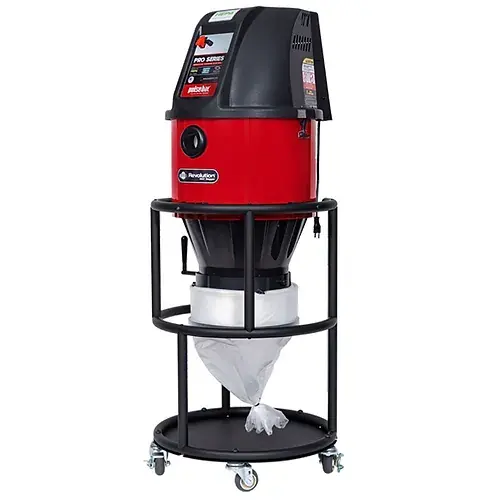
Pulse-Bac Pro Series 311
Pro Series 311 dust extractor with Pulse-Bac automatic filter cleaning, built for concrete grinding dust.
$4,495.00
SKU 1556
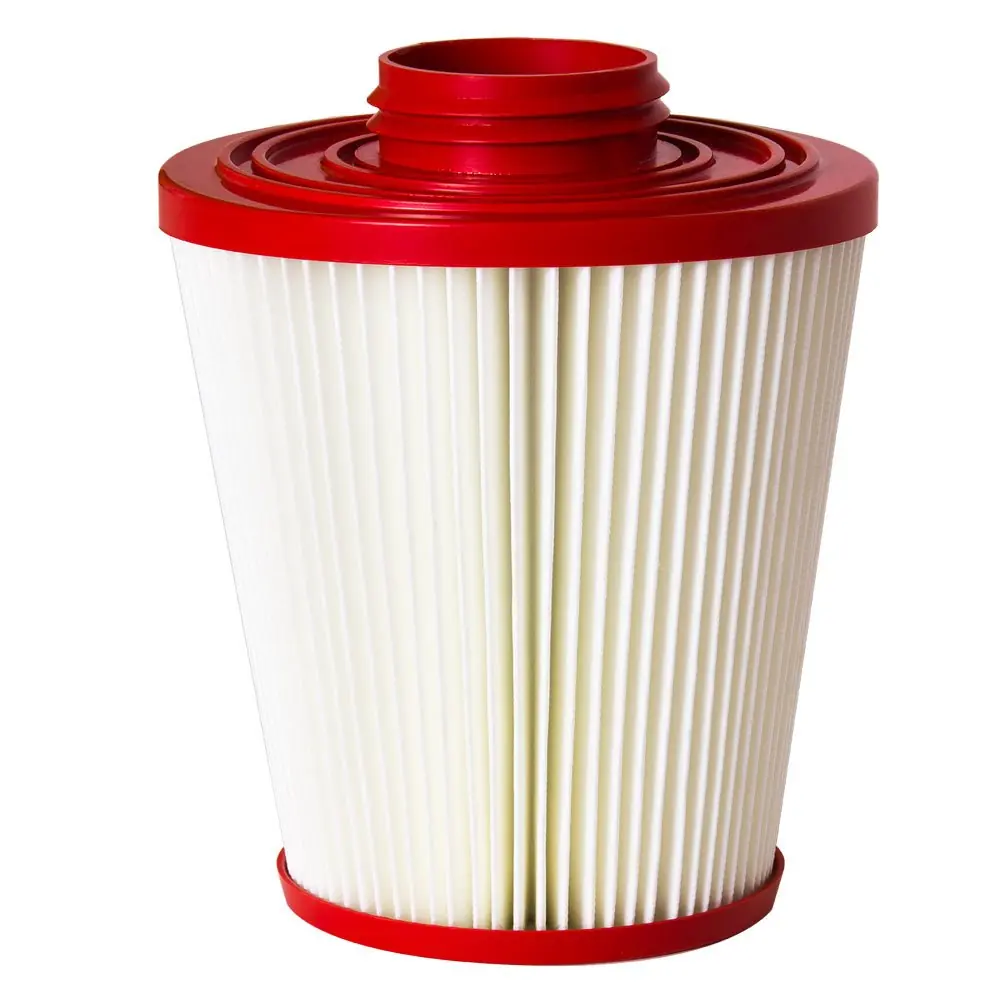
Pulse-bac Filter - 311
Replacement Pulse-Bac vacuum filter compatible with Pulse-Bac models 1000 and 2000, sold as a service part for dust extractors.
$329.95
SKU 1523
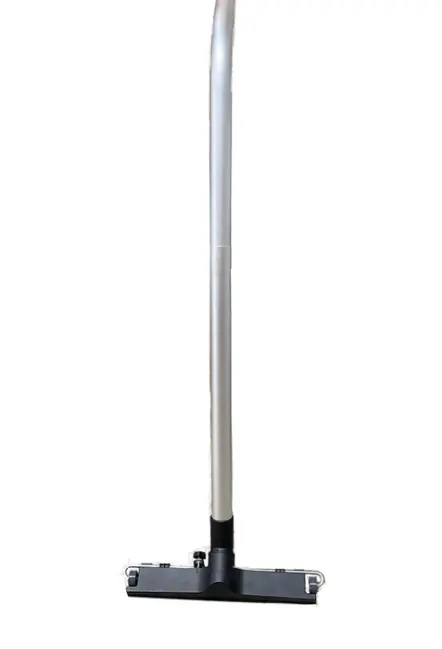
2" Vacuum Head with Wand
Metal 2 in vacuum wand with a brush rolling head, built for industrial vacuums and concrete floor cleanup.
$179.00
SKU 1665
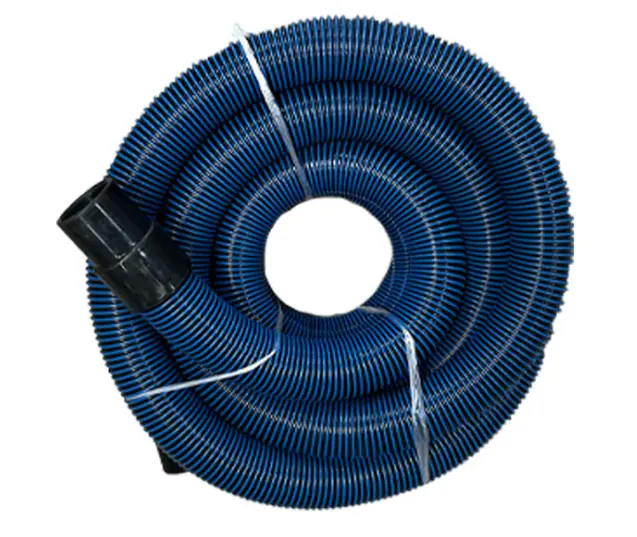
25' Vacuum Hose with 2" Ends
25 ft vacuum hose with 2 in end fittings, compatible with most vacuums using a 2 in connection.
$135.95
SKU 1715
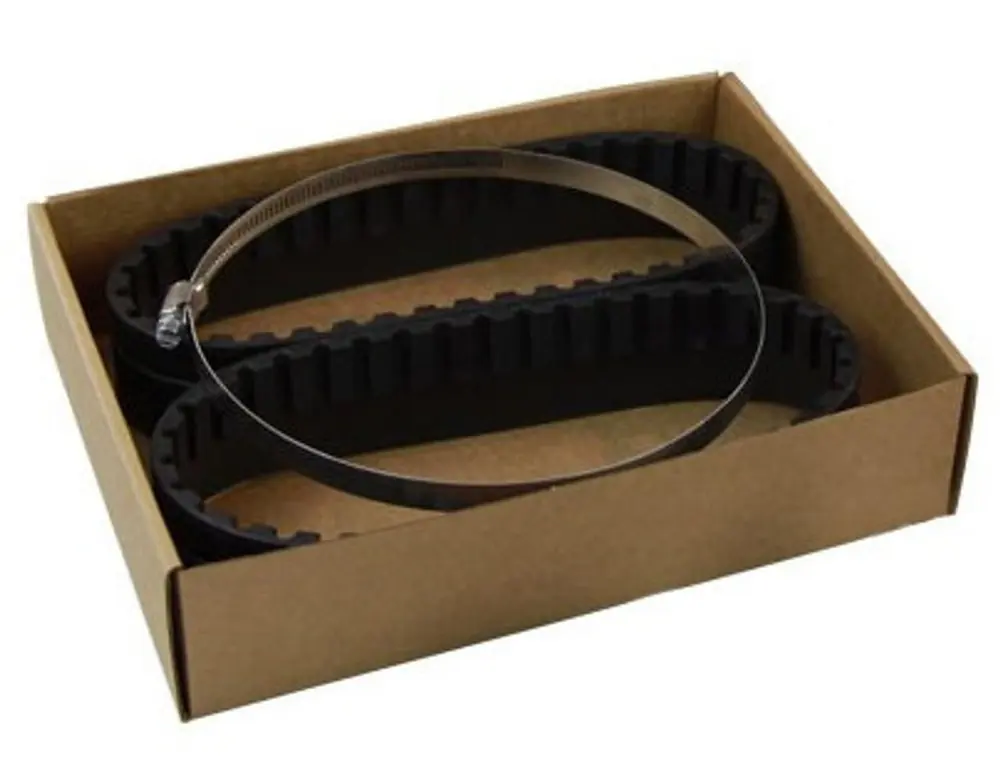
Pulse-bac Gasket Kit Base Plate
Replacement gasket kit for the 18 in base plate on Pulse-Bac vacuum systems, sold as a service part.
$18.95
SKU 1526
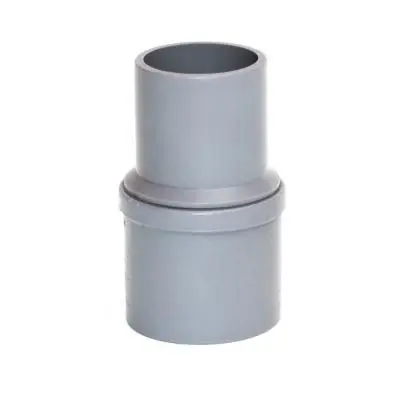
Pulse-Bac Gray Cuff/Reducer
Gray cuff reducer that steps a 2 in vacuum hose down to a 1 in connection for small tools and shroud ports.
$14.95
SKU 1553
Filtration, airflow and keeping capture up all day
A dust extractor on a concrete job is not a cleanup tool. It is the dust control on the grinder, and it runs continuously the entire time the machine does. Dry grinding concrete generates respirable crystalline silica, and the accepted way to handle it is capture at the source, with a shroud or skirt sealing the grinding head to the slab and an extractor with appropriate filtration pulling the dust out as it is created.
That is why a shop vacuum does not substitute. The filtration is not built for silica-sized particles, and more practically, a shop vacuum's airflow collapses as the filter loads with concrete dust. Concrete dust loads a filter fast. Purpose-built extractors deal with this using pulse or automatic filter cleaning that knocks the cake off the filter during operation, which is what keeps airflow up through a full day rather than for the first twenty minutes.
Judge an extractor on how it performs with a loaded filter. A clean-filter figure describes a condition that lasts a few minutes on a real floor. Match the extractor to the grinder as well, since a large grinder head moves more material than a small extractor can keep up with, and an undersized extractor turns into a dust cloud with a motor attached.
Airflow gets lost at every restriction. Hose diameter, hose length, cuff fitment, a worn dust skirt or a cracked gasket all reduce capture invisibly. Undersized or overlong hose is the most common self-inflicted problem, followed by a skirt that has worn short and no longer seals against the floor.
Treat filters, gaskets, skirts and cuffs as wear parts rather than spares you order after they fail. A crew that stocks a spare filter and a spare skirt does not lose a day. The collection method matters too, since emptying a drum of dry silica dust by hand undoes the capture you spent all day achieving.
What to check before you order
- Match the extractor's capacity to the grinder head size, since an undersized extractor cannot keep up
- Confirm the filter cleaning system, whether pulse or automatic, and how it performs with a loaded filter
- Check the filtration rating against your own site's dust control requirements
- Verify hose diameter and cuff fitment through the whole run from grinder shroud to extractor inlet
- Stock spare filters, gaskets and dust skirts as wear parts before they fail
- Confirm the collection method, since dumping dry silica dust by hand defeats the capture
Vacuums & Dust Extraction: common questions
What kind of vacuum do you need for concrete grinding?
Concrete grinding requires a purpose-built dust extractor with filtration rated for fine silica dust and a filter cleaning system that maintains airflow as the filter loads. It connects directly to the grinder's shroud so dust is captured at the source rather than escaping into the work area.
Can I use a shop vac for concrete dust?
A shop vacuum is not adequate for concrete grinding dust. Its filtration is not designed for respirable silica, and its airflow collapses within minutes as concrete dust cakes the filter, since it has no filter cleaning system. The result is poor capture and dust escaping back into the room.
How do dust extractors control silica dust?
Dust extractors control silica by capturing it at the point of creation. A shroud or skirt seals the grinder head against the slab, and the extractor pulls the dust laden air out through a filter before it reaches the room. Capture depends on seal condition, hose sizing and filter airflow.
How often should a dust extractor filter be changed?
Dust extractor filters are wear parts on concrete work and are replaced when airflow drops noticeably even after the cleaning cycle runs, or on the interval the manufacturer states. Concrete dust loads filters far faster than general construction debris, so most grinding crews keep a spare filter on the truck.
Does hose size affect dust extraction?
Hose diameter and length directly affect dust capture, because every restriction and every extra foot of hose costs airflow. Undersized hose, overlong runs, poorly fitting cuffs and a worn dust skirt all reduce capture at the grinder head, usually without any obvious sign at the machine.