
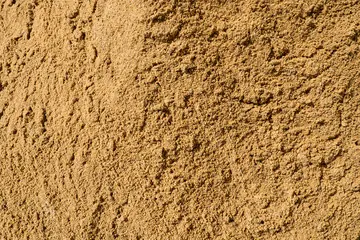
Sand
50 lb bag of broadcast sand in AC-Silica 20-40 or Polycoat 16-30 grade for slip resistance and textured coating builds.
Specifications
- Sold as
- 50 lb bag
- Grades
- AC-Silica 20-40 or Polycoat 16-30
- Use
- Broadcast aggregate for slip resistance and texture
- System position
- Broadcast into a wet base or intermediate coat, topcoated after cure
- SKU
- 1366
Good to know
- Mesh size is the decision. Polycoat 16-30 is the coarser grade for aggressive grip on ramps and wet areas. AC-Silica 20-40 is finer for interior floors where cleanability matters.
- Build the topcoat heavy enough to lock the grain down. A starved topcoat over broadcast sand leaves exposed aggregate that shreds mops and rollers and holds dirt.
- Dry sand generates airborne dust when it is poured, broadcast and swept up, and grinding cured aggregate does the same. Follow your dust control and respiratory protection program and wear a respirator rated for particulates.
- Do a sample board in the exact grade and broadcast density before you commit a whole floor. Texture is the most common source of customer complaints on a finished coating.
- Keep bags dry and off the slab. Damp aggregate clumps and will not broadcast evenly, and moisture carried into a coating causes adhesion problems.
About the Sand
Broadcast sand is the aggregate that gets thrown into a wet coat to build texture, slip resistance and film thickness. It is supplied here in 50 pound bags in two grades: AC-Silica 20-40 and Polycoat 16-30. The numbers are mesh sizes, so 16-30 is the coarser of the two and 20-40 is finer, which is the whole basis for choosing between them.
Grade selection comes down to how aggressive the finish needs to be. A coarser 16-30 broadcast gives a more pronounced texture and more bite, which suits ramps, wash down areas, wet process floors, exterior walkways and anywhere a slip claim is a real risk. The finer 20-40 gives a subtler texture that is easier on bare feet and easier to clean, which suits interior commercial floors, garages and residential work where the customer wants grip without a surface that scours a mop.
In system position, sand goes into the wet base coat or into an intermediate coat, broadcast either to refusal for a full aggregate system or lightly for a controlled anti slip texture. Once it has cured, the excess is swept or vacuumed off and a topcoat is pulled over it. That topcoat has to be built heavy enough to lock the aggregate down, because a starved topcoat over sand leaves exposed grain that tears rollers and mop heads.
The practical thing to know is that texture is a customer conversation, not just a spec. Broadcast heavier than the customer expects and you get complaints about cleaning. Broadcast lighter and the first wet day generates a slip complaint. Do a sample board in the actual grade before you commit a whole floor.
What it is used for
- Anti slip broadcast in garage and commercial floor coatings
- Ramps, loading docks and exterior walkways
- Wash down and wet process areas
- Full broadcast sand or quartz system builds
- Adding texture to a topcoat around pool decks and entryways
Before you order
Work out how much you need
The most common ordering mistake in this category is buying by the gallon instead of by the floor. Coverage changes with porosity, profile and whether the coat is a base, a broadcast or a topcoat. Put the slab dimensions in and get a range rather than a single number.
How much material do I need?
Enter the slab. We will give you a range, because porosity and surface profile change real coverage.
- Floor area
- 400 sq ft
- Base coat
- 3.1 to 3.4 gal
- Topcoat (1 pass)
- 3.1 to 3.4 gal
- Flake
- about 8 x 25 lb boxes
Base coat, flake broadcast to rejection, then a clear topcoat. Order roughly 10% over on a first job.
Questions about this product
What grade of broadcast sand should I use for a garage floor?
For interior garage and commercial floors the finer AC-Silica 20-40 broadcast sand is usually the right call, because it delivers slip resistance without creating a surface that is hard to clean. The coarser Polycoat 16-30 grade suits ramps, wash down areas and exterior walkways where grip matters more.
What do the numbers 20-40 and 16-30 mean on broadcast sand?
Those numbers are mesh sizes describing the grain range of the broadcast sand, so AC-Silica 20-40 is the finer grade and Polycoat 16-30 is the coarser one. A lower mesh number means larger grains, which means more aggressive texture and more pronounced slip resistance in the finished floor.
How is broadcast sand applied in a coating system?
Broadcast sand is thrown into the wet base or intermediate coat, either to refusal for a full aggregate system or lightly for a controlled anti slip texture. After cure the excess is swept and vacuumed off, then a topcoat is pulled over it, built heavy enough to lock the grain into the film.
Is silica sand a dust hazard?
Dry silica broadcast sand does generate airborne dust when poured, broadcast and swept, and grinding cured aggregate produces respirable dust as well. Follow your dust control and respiratory protection program and wear a respirator rated for particulates during handling, cleanup and any grinding.
How much broadcast sand do I need per square foot?
The amount of broadcast sand a floor takes depends entirely on whether you are broadcasting to refusal for a full aggregate system or lightly dusting for anti slip texture, and on the grade. Run a sample board at your intended density and scale from there. Call 817-676-6793 to size an order.
Goes well with
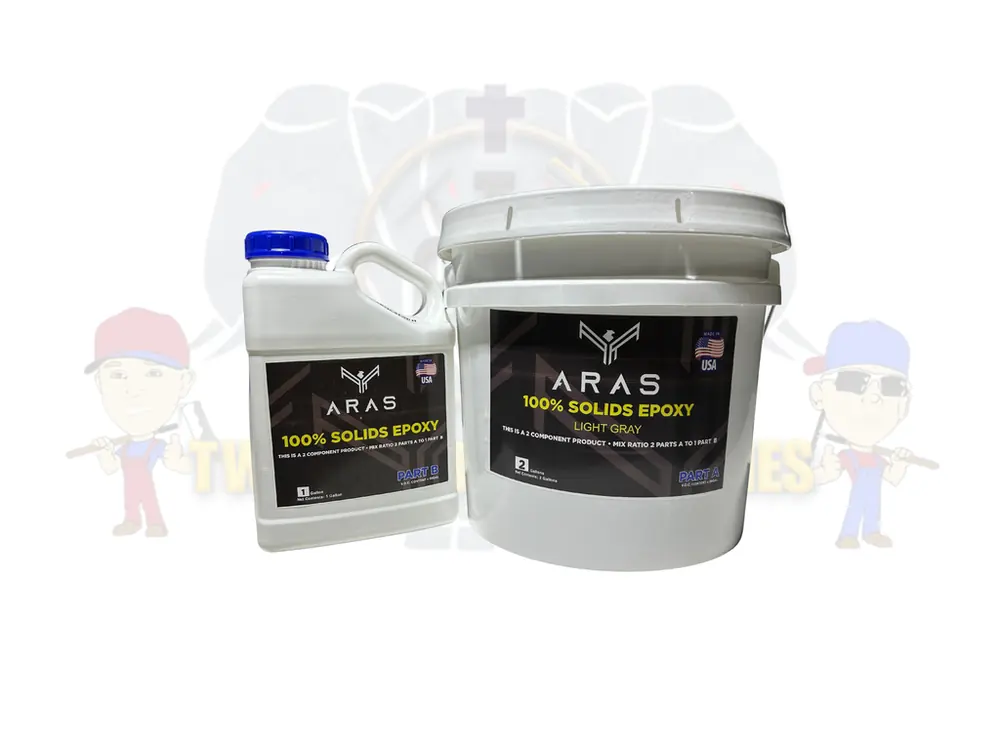
Aras Epoxy 100% Solids Kit
Professional grade 100 percent solids epoxy base coat for flake and solid color floors, sold as a 3 gallon kit.
$165.00
SKU 1636
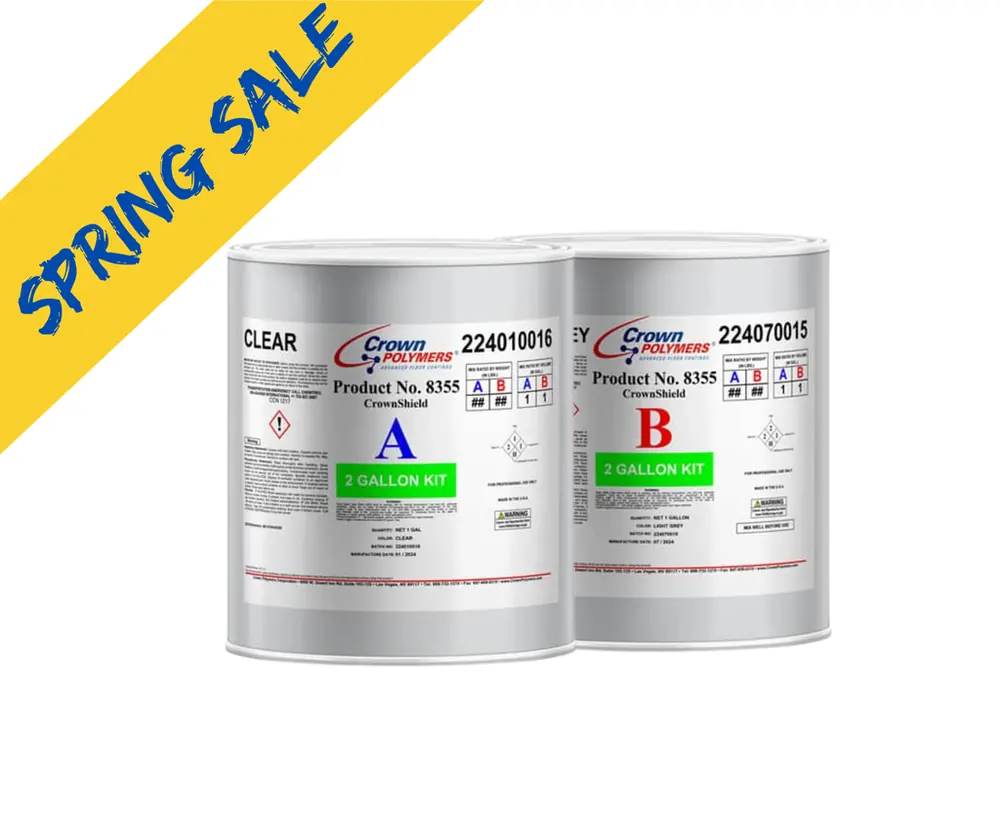
Crown Polymers Epoxy Primer 8355 Kit
Self priming, moisture tolerant high build epoxy binder made to receive 1/8 and 1/4 inch vinyl flake, in 2 gallon kits.
$130.00
SKU 1436
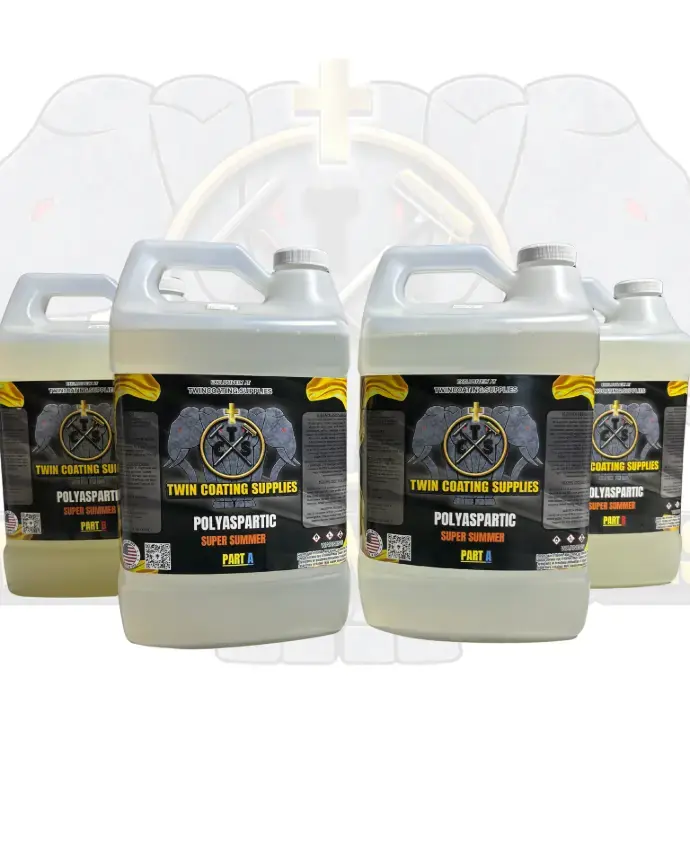
TCS Polyaspartic - 2 Gallon Kit
85 percent solids clear polyaspartic with 125 percent elongation, usable as a flake base coat or a UV stable topcoat.
$178.00
SKU 1412
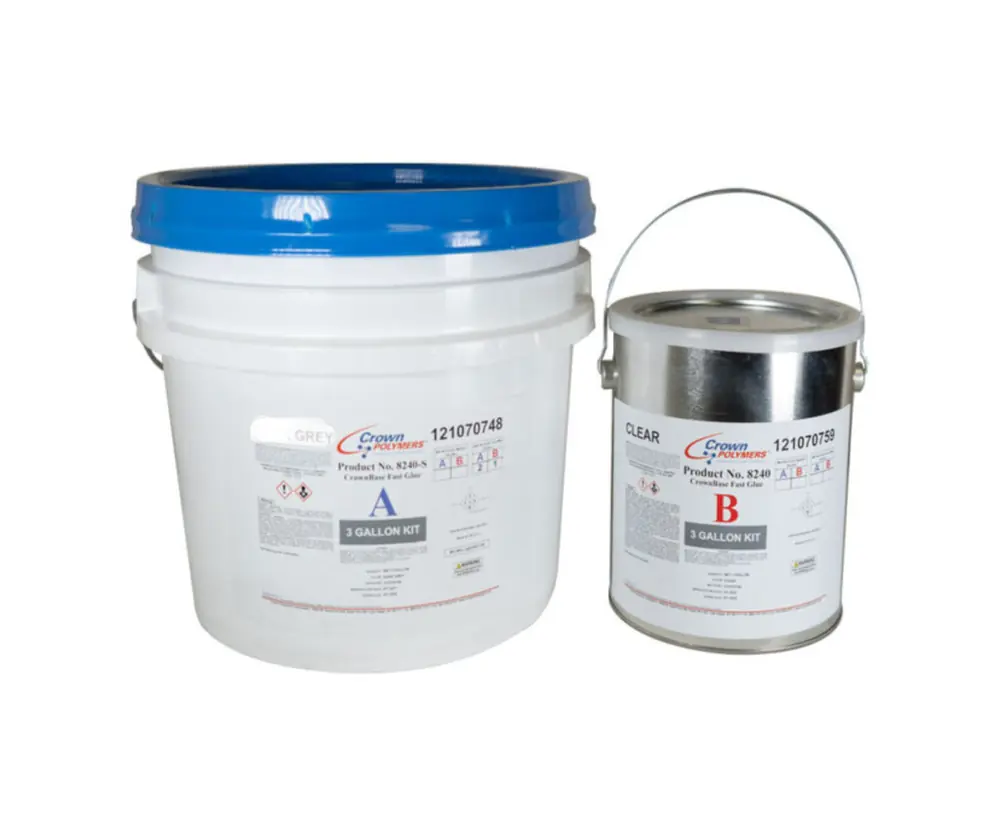
Crown Polymers 8240 Kit
97 percent solids polyurea primer and base coat with low viscosity and low odor, sold as a 3 gallon kit.
$177.00
SKU 1620