
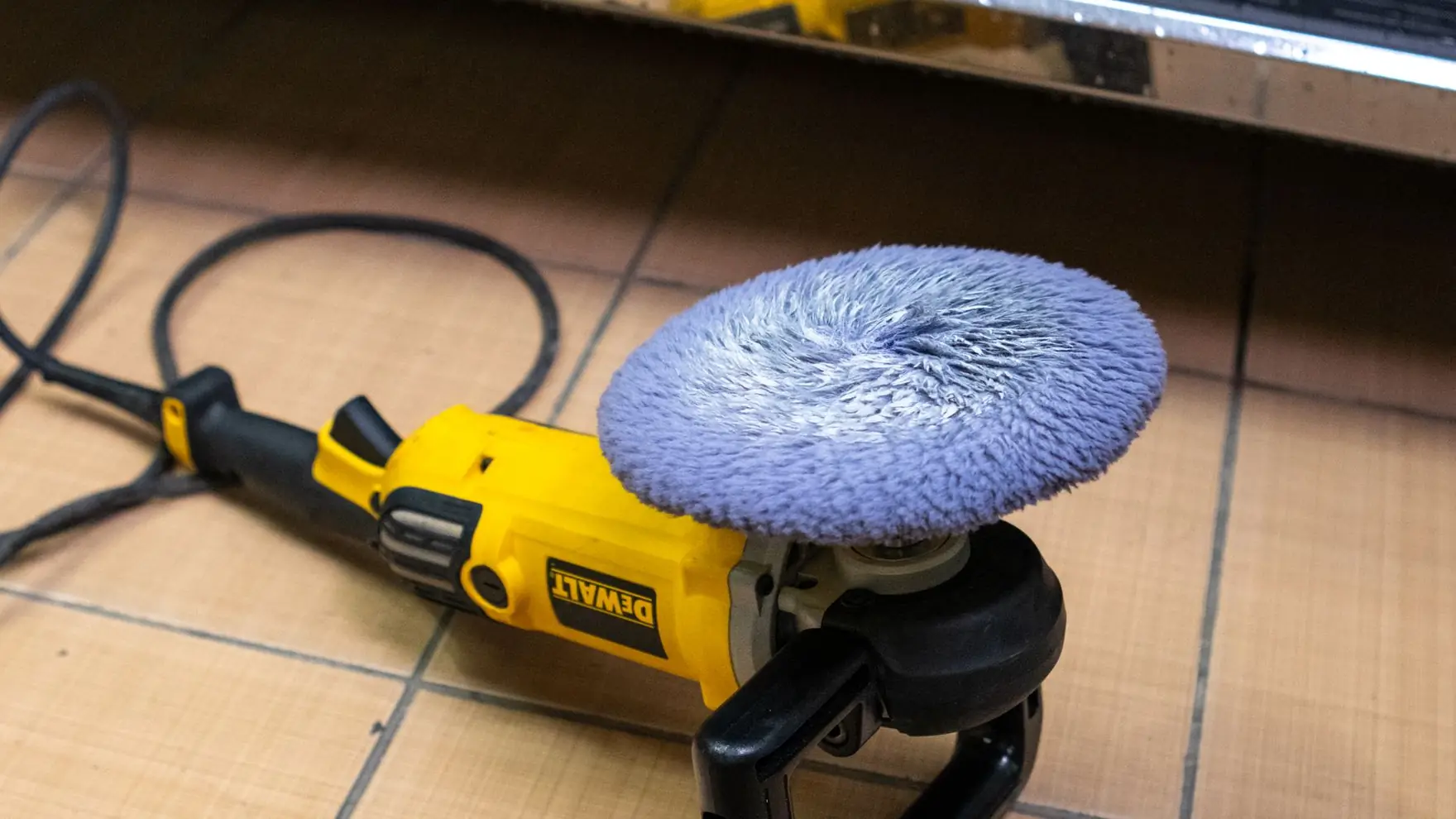
8 products, shipped nationwide
Grinder Tooling
Diamond tooling for concrete grinders, including metal bond segments, PCD coating removal tools, tool plates and edging cups. Bought by coating and polishing contractors matching tooling to slab hardness, machine fitment and the job in front of them.
Grinder Tooling
8 products · $7.95 to $94.95
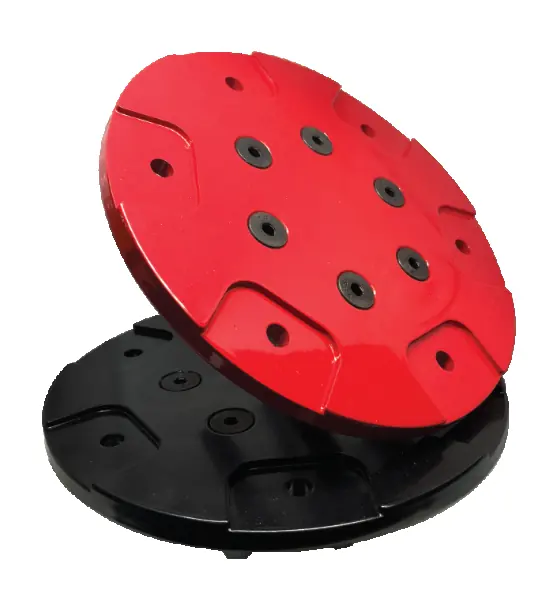
Rhino Metal Bond Tool Plates
7 in metal bond tool plates for aggressive concrete stock removal and profiling ahead of coatings.
$94.95
SKU 1529
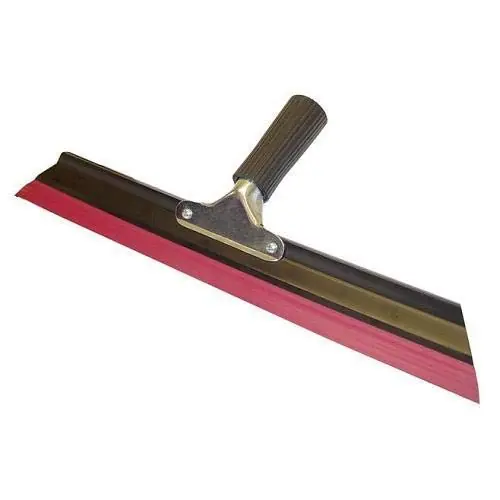
Magic Trowel Squeegee
Flexible blade magic trowel in 12 in and 24 in widths for smoothing coatings and self-leveling material flat.
$34.95
SKU 1452
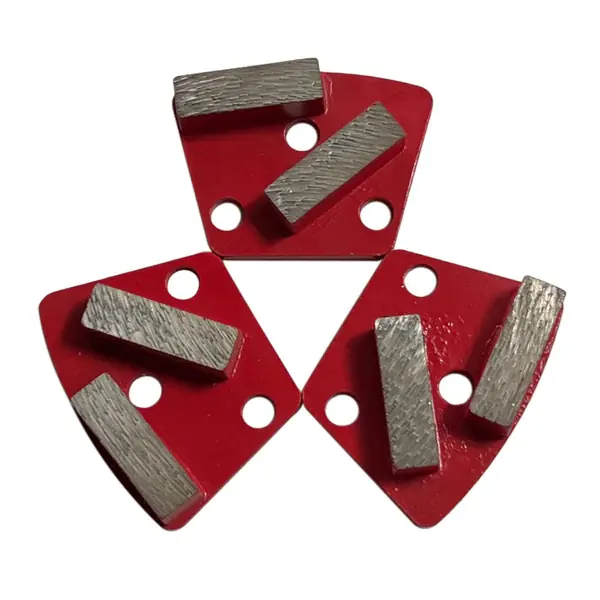
ASL / Lavina Diamonds
Diamond and PCD tooling in ASL and Lavina fitment, available in soft, medium and hard bonds and several segment shapes.
$29.95
SKU 1516
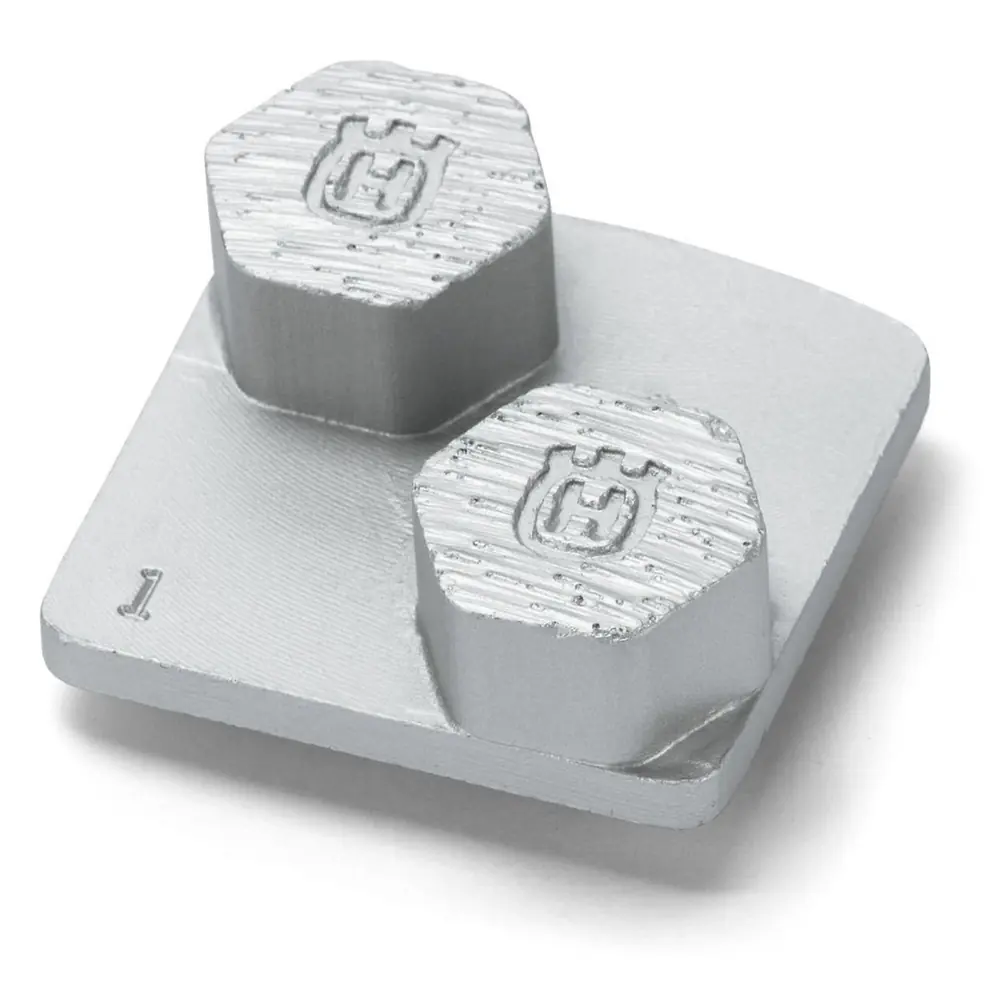
Husqvarna Diamonds
Grit 25 diamond segments in Husqvarna fitment, offered in soft and medium bonds with shark tooth or zigzag button shapes.
$24.95
SKU 1517
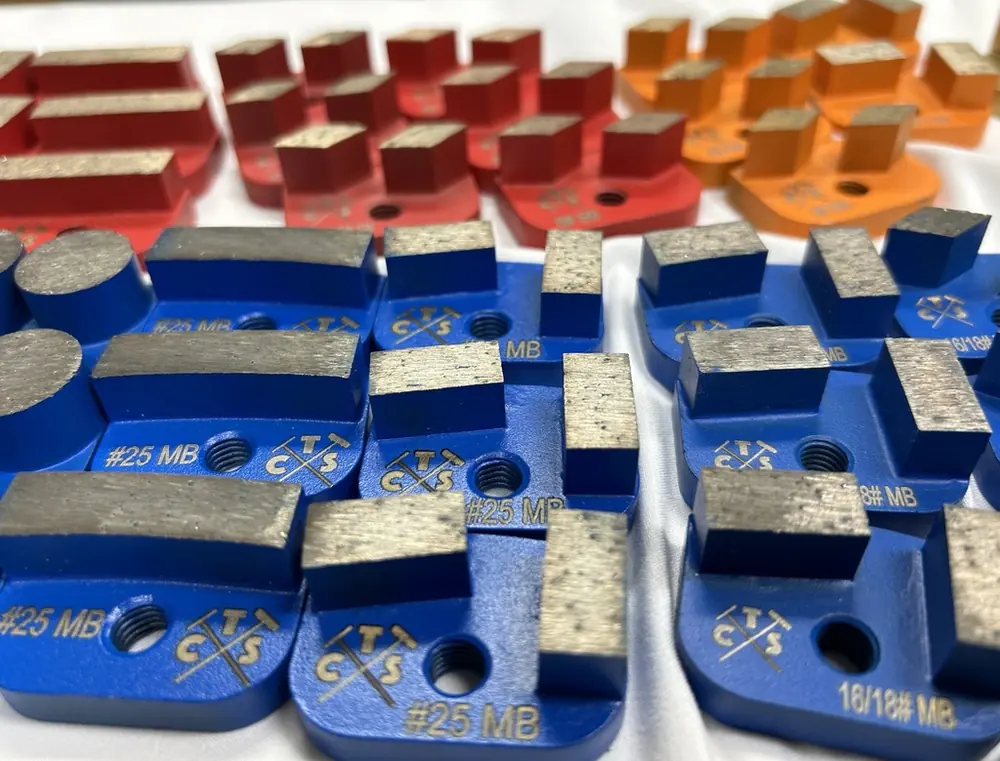
TCS New Grind Diamonds
New Grind fitment diamond segments in four grits and five bonds, from super soft to super hard.
$23.95
SKU 1515
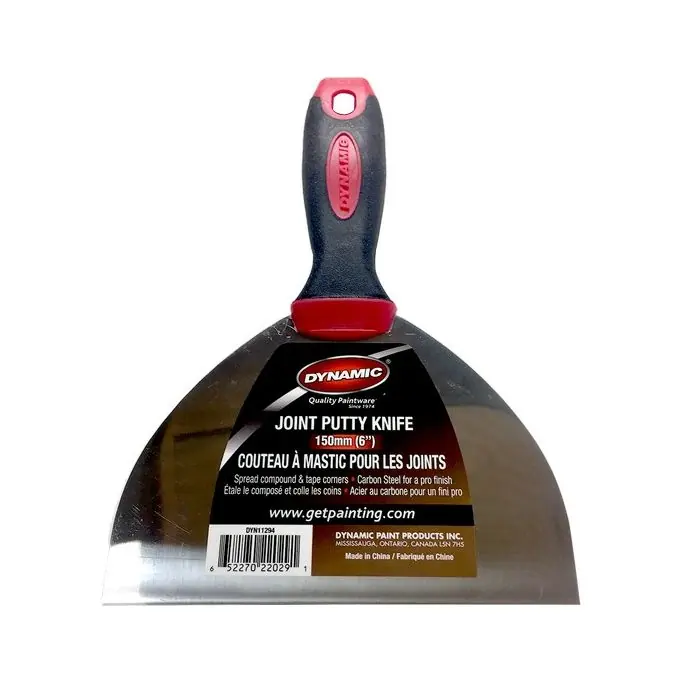
Dynamics Joint Putty Knife
Six inch (150mm) joint knife for pressing filler into joints and cracks and shaving it flush before coating.
$9.95
SKU 1373
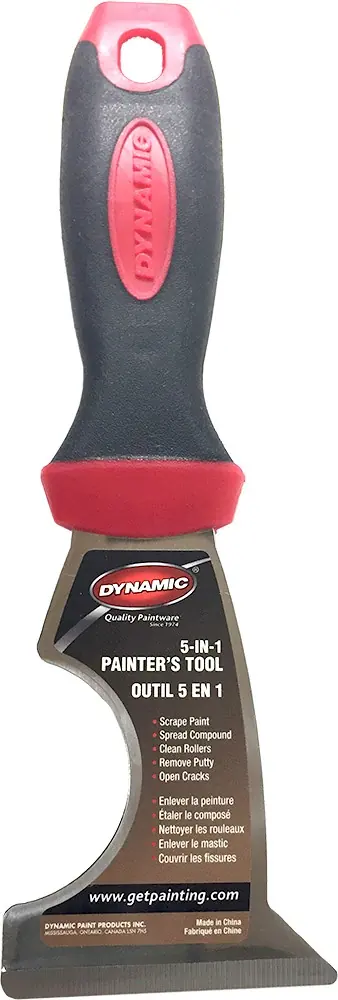
Dynamics Painter’s Tool
Multi-function painter's tool in 5-in-1 or 9-in-1 configuration for scraping, roller cleaning and crack work.
$9.95
SKU 1374
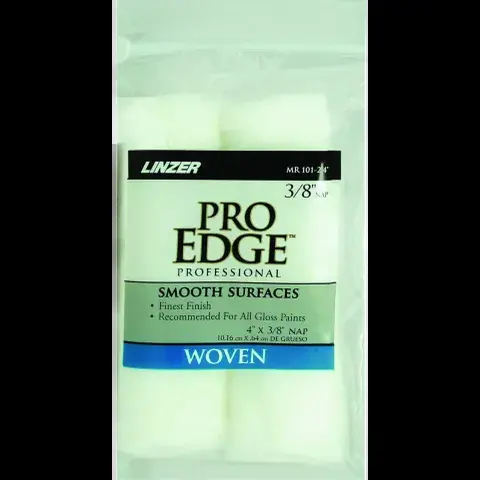
Linzer Pro Edge Mini Roller
Mini roller in 3/8 inch used to cut in coating along walls, curbs and posts ahead of the field coat.
$7.95
SKU 1500
Bond hardness, grit sequence and fitment
Diamond tooling is where surface preparation is won or lost, and three variables decide it: bond, grit and fitment.
Bond first, because it is the one that gets backward most often. The metal matrix holding the diamonds has to wear away fast enough to keep exposing fresh diamond, which means the bond runs opposite to the concrete. Soft bond diamonds go on hard concrete. Hard bond diamonds go on soft or abrasive concrete. Reverse it and one of two things happens. On hard concrete with hard bond the segments glaze over and stop cutting. On soft concrete with soft bond you watch expensive tooling disappear in an afternoon. Slab hardness is not obvious by eye, so test grind a small area and watch the wear rate before committing a full set.
Grit is a sequence, not a single choice. Coarse metal bond segments do the removal and the profiling, and finer grits refine the scratch pattern left by the step before. Skipping steps saves nothing, since a coarse scratch stays visible until a finer grit removes it. For a floor that is getting coated, the sequence stops at the profile the coating manufacturer calls for. Going finer closes the surface and gives the coating less to grip.
Coatings, glue and mastic need a different tool. PCD tooling, meaning polycrystalline diamond, shears soft material off the slab instead of abrading it, which is why it strips coatings that would load a metal bond segment solid in minutes. More aggressive PCD configurations remove faster and scar the slab more, which means more repair afterward.
Fitment is the most common ordering mistake. Segments attach through a specific quick-change plate, bolt pattern or proprietary holder, and machines from different manufacturers are not interchangeable. Confirm the attachment system on your exact machine and the segment count per plate before ordering.
What to check before you order
- Match bond to the slab: soft bond for hard concrete, hard bond for soft or abrasive concrete
- Test a small area and watch the wear rate before committing to a full set of tooling
- Confirm the attachment system and segment count for your exact machine, not just the brand
- Plan the full grit sequence rather than skipping steps, since a coarse scratch stays until a finer grit removes it
- Use PCD tooling for coating, glue and mastic removal instead of metal bond segments
- Match the finishing grit to the profile the coating manufacturer specifies, and do not go finer
Grinder Tooling: common questions
Should I use soft bond or hard bond diamonds on concrete?
Use soft bond diamonds on hard concrete and hard bond diamonds on soft concrete. The bond has to wear at a rate that keeps exposing fresh diamond, so hard slabs need a soft matrix that releases new edges, while soft abrasive slabs need a hard matrix that survives.
What is PCD tooling used for?
PCD tooling, meaning polycrystalline diamond, is used to strip coatings, glue, mastic, thinset and other soft materials off concrete. It shears the material away rather than abrading it, which is why it works where metal bond diamond segments simply load up with softened coating and stop cutting.
How do I know if my concrete is hard or soft?
Concrete hardness is judged by test grinding a small area and watching what happens. If the segments glaze and stop cutting, the slab is hard and needs a softer bond. If the segments wear away visibly fast, the slab is soft and needs a harder bond.
What grit do I grind concrete to before coating?
Grinding for coating stops at the surface profile the coating manufacturer specifies, which is normally achieved with coarse metal bond diamonds rather than fine polishing grits. Going too fine closes the surface and gives the coating less mechanical grip, so finer is not better when a coating is going on.
Are diamond tooling plates interchangeable between grinders?
Diamond tooling attachment systems are not interchangeable between manufacturers. Quick-change plates, bolt patterns and proprietary holders vary by machine, so tooling must be confirmed against your exact grinder model before ordering. Adapter plates exist for some combinations, but they change stack height and machine behavior.