
17 products, shipped nationwide
Preparation Tools
Hand tools and consumables for surface preparation and coating application, including rollers, squeegees, scrapers, blades, mixing tools, brushes and spiked shoes. Bought by coating crews stocking a truck for a floor install.
Preparation Tools
17 products · $1.35 to $89.99
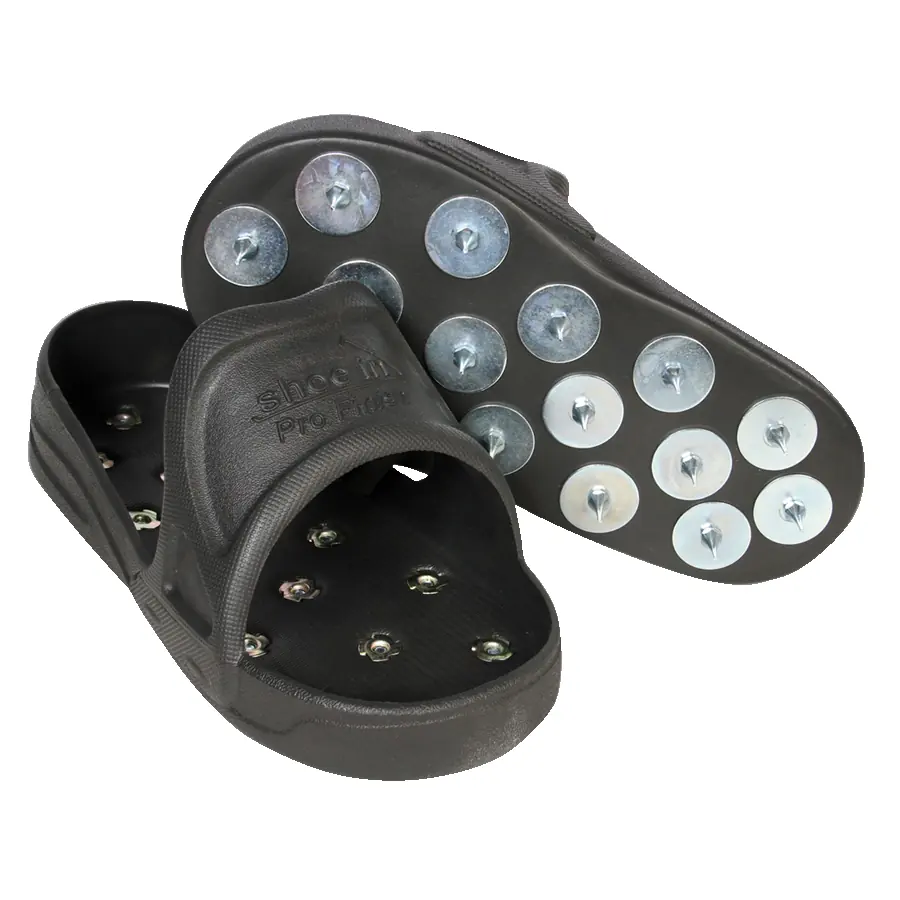
Pro Finish Spikes Shoes
Spiked shoes in Large and X-Large that let installers walk wet coatings without marking the finish.
$89.99
SKU 1448

Coating Removal Tools/Diamond
PCD, button PCD and bush hammer tooling for stripping coatings, in New Grind, ASL/Lavina and Husqvarna fitments.
$33.95
SKU 1518
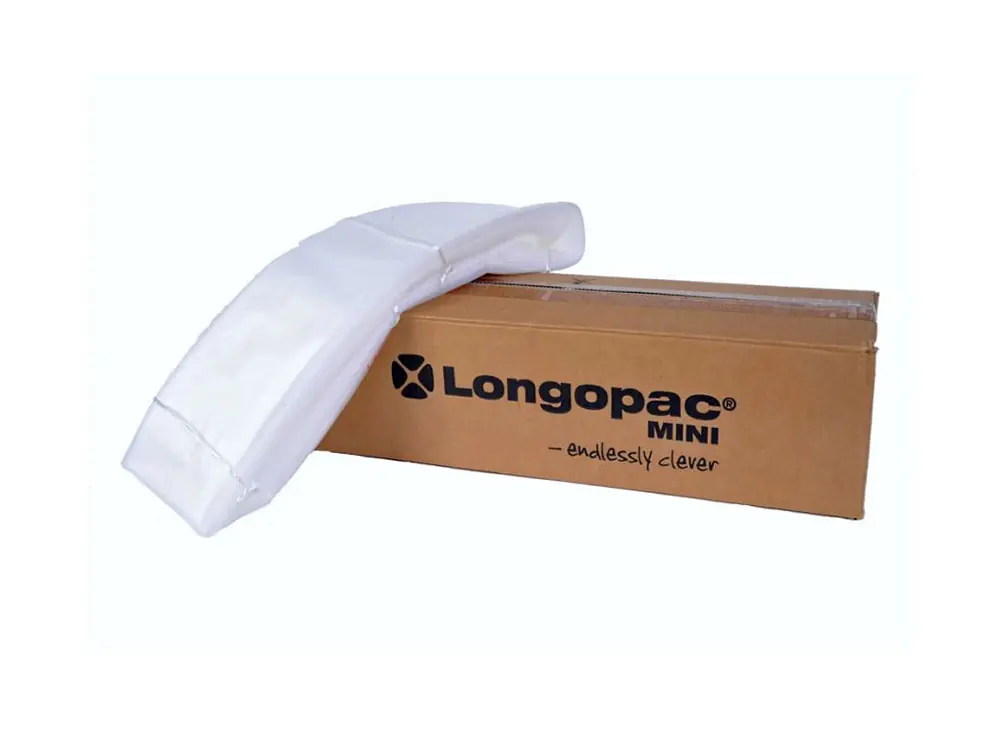
LongoPack® Mini
Continuous bagging consumable for dust extractors equipped for the LongoPack system, so you never open the machine to empty it.
$29.95
SKU 1446
Midwest Rake® S550 Professional™ EasySqueegee® Blade
Replacement EasySqueegee blade for the S550 Professional in flat or notched profiles and 18, 26 and 27 in widths.
$29.95
SKU 1441
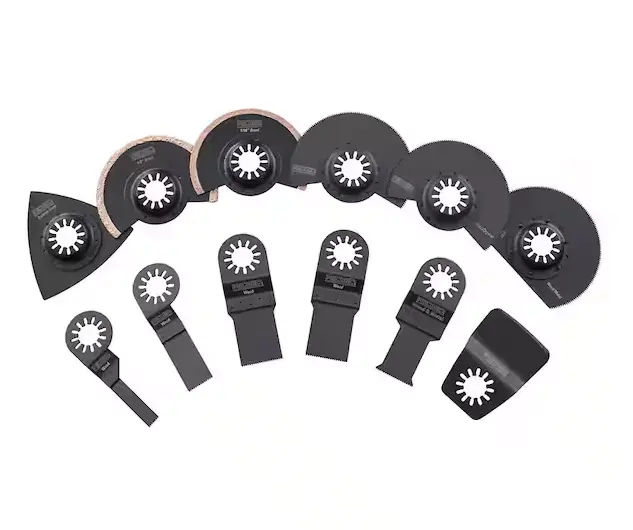
Oscillating Tool Blades
Oscillating multi-tool blade sets in 5 and 6 piece packs for cut-outs, joint work and undercutting where a grinder will not fit.
$27.95
SKU 1489

Replacement Rubber Blade
16 in. replacement rubber blade in flexible or stiff, the wear part on the squeegee that spreads coating across the floor.
$25.95
SKU 1524
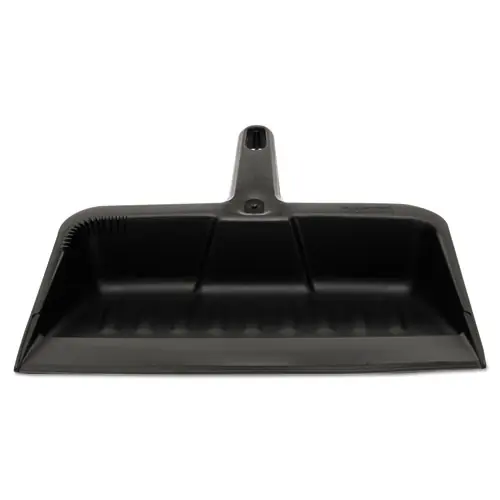
Heavy Duty Dustpan
Seventeen inch heavy duty dustpan for clearing scraped flake, grinding dust and prep debris off a slab.
$24.99
SKU 1482
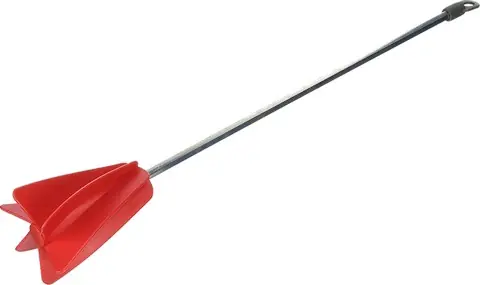
ALLWAY® Helix Paint Mixer
Helix drill mixer with a 1/4 in hex shaft and polypropylene blade for blending epoxy, coatings and adhesives.
$11.98
SKU 1381
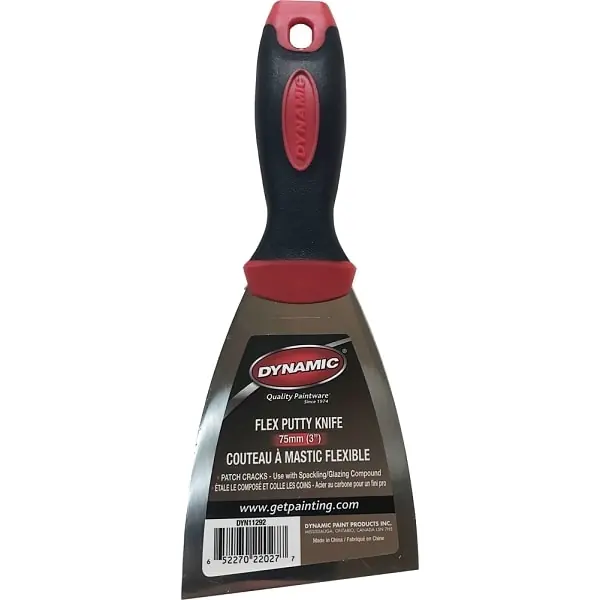
Dynamic Putty Knife
Carbon steel putty knife in flexible or stiff blade, 1.5 in and 3 in widths, for patching and scraping.
$10.95
SKU 1356
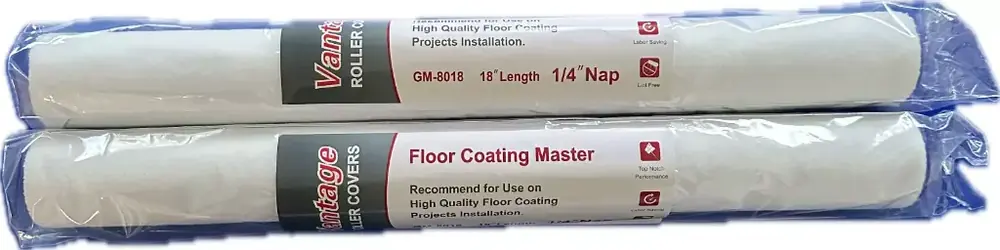
18" Vantage Roller Cover
18 in roller cover for applying epoxy, urethane and sealers across concrete floors at production speed.
$8.59
SKU 1417
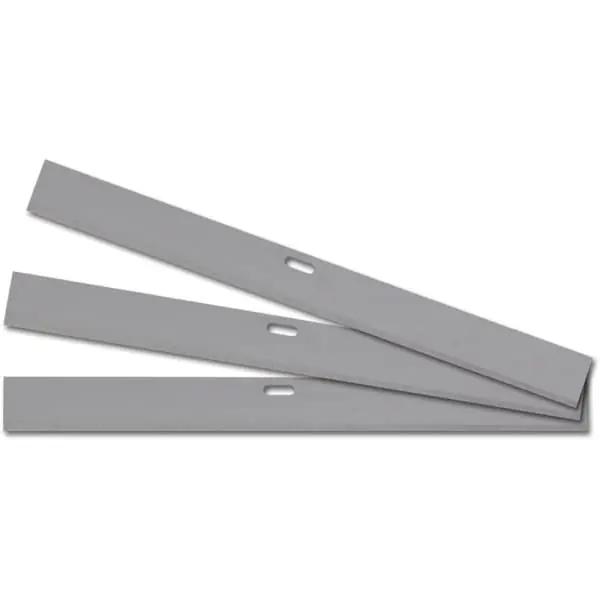
QEP Stripper Blades
8 in. replacement stripper blade for floor scrapers, used to cut old coating, adhesive and tile off the slab before grinding.
$7.95
SKU 1483
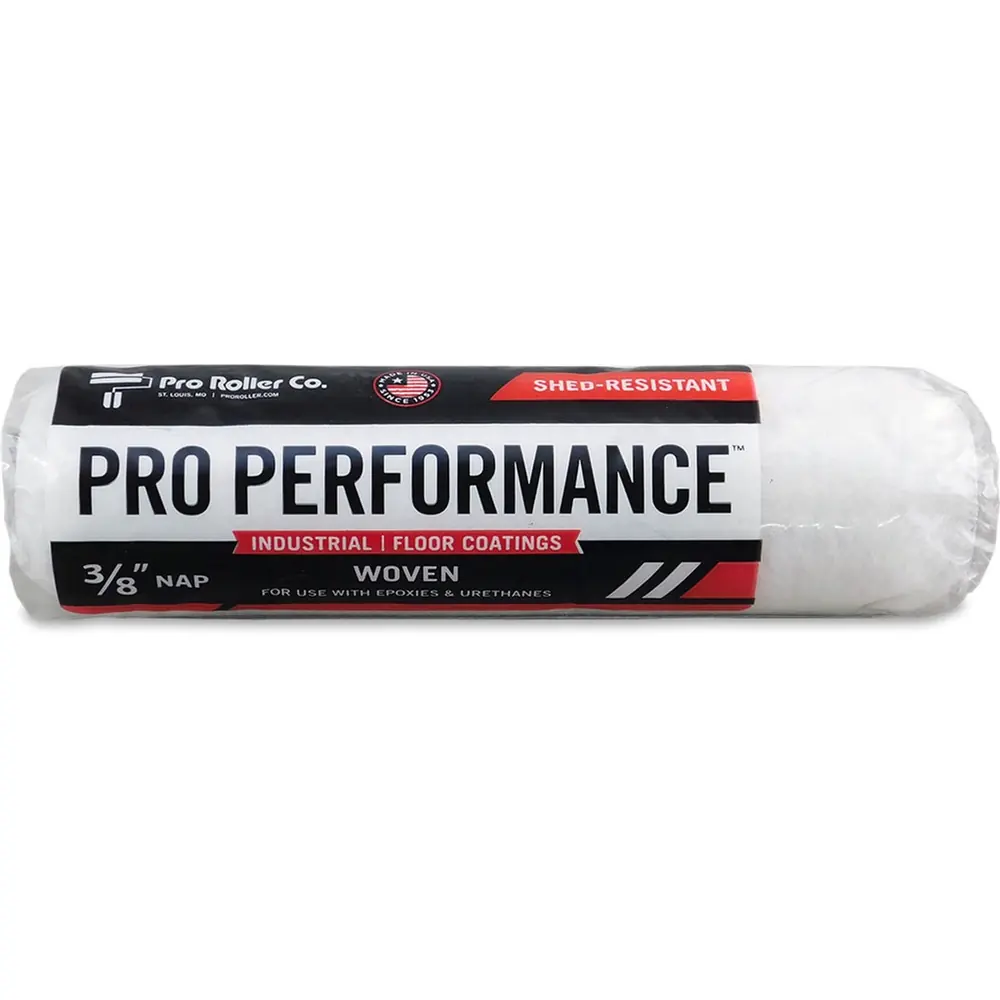
9" Pro Roller - 3/8" Woven, Shed Resistant Roller Cover
9 in. shed-resistant 3/8 in. woven roller cover that backrolls epoxy and urethane without dropping lint into the film.
$5.95
SKU 1694
Midwest Rake Mix & Measure Container
10 quart graduated mixing container for measuring and blending two-component coatings accurately on split and partial batches.
$5.95
SKU 1409

Replacement Scraper Blades
4 in. replacement blade for hand scrapers, used for drips, cured splatter, residue and detail cleanup around the floor.
$2.00
SKU 1495
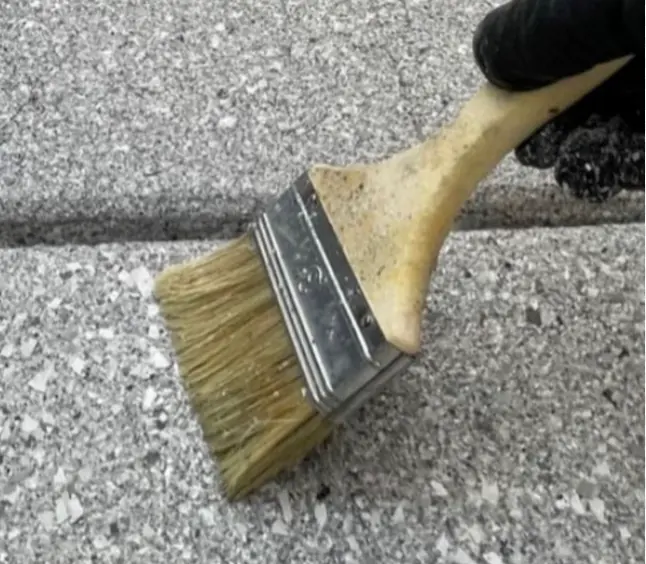
TCS Chip Brushes
3 in. chip brush with shed-resistant PET bristles and a wooden handle for cutting in coatings, sealers and stains.
$1.80
SKU 1749
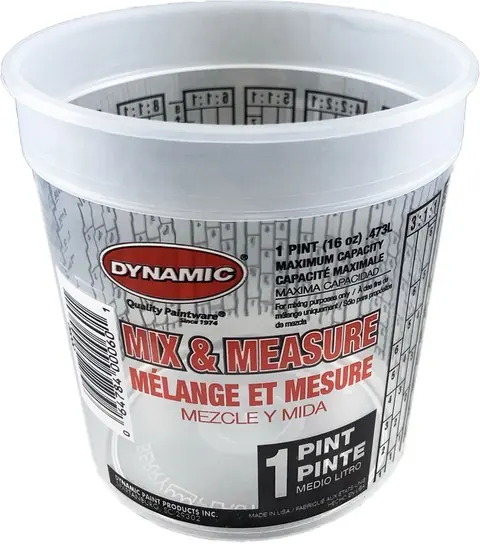
Dynamics Mix & Measure Container
Graduated mixing containers in 1 pint through 5 quart for measuring pigment, additives and small resin batches accurately.
$1.50
SKU 1383
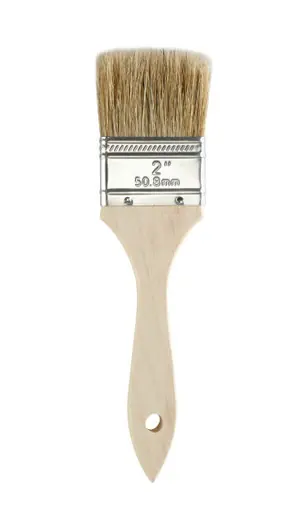
Dynamic Chip Brush
4 in. disposable chip brush for cutting in epoxy, primer and sealer at edges, posts and drains before the roller work starts.
$1.35
SKU 1549
Application tools that decide how the floor looks
The machine sets up the floor. These tools install it, and the finish quality lives here more than most people expect.
Rollers and covers come first. Resin work destroys roller covers, so treat them as single-use consumables and buy enough for every coat rather than trying to wash one out. Nap length affects how much material the cover carries and how much texture it leaves. A shedding cover is the worst outcome available, since fibers cured into a clear topcoat cannot be removed without abrading the floor. Frames and extension poles matter because standing upright and moving steadily beats crouching and stopping.
Squeegees and gauge rakes control film thickness. On a self-leveling or heavier build coat, the squeegee spreads the material at a controlled thickness and the roller backrolls it to even out the surface and break the bubbles. Skipping the backroll leaves squeegee lines that will still be there after the coat cures.
Spiked shoes are what let the crew walk into wet material to backroll and broadcast. Every flake floor needs them, and they are not optional equipment on a job with a wet coat that has to be crossed. Mixing tools decide whether the chemistry works at all. A proper helix or jiffy paddle on a drill mixes a two-component resin without whipping air into it, and graduated containers keep the ratio honest. Under-mixed resin cures unevenly, and the evidence shows up days later.
Scrapers, putty knives, chip brushes and blades cover cut-in, cleanup and everything a machine cannot reach. Blades dull quickly on concrete and cured resin, so they are bought in packs. Confirm blade fitment to the specific scraper or holder you own, since holders vary between brands.
What to check before you order
- Buy roller covers as single-use consumables, one set per coat, and confirm they are shed resistant
- Confirm blade fitment to the specific scraper or holder you own, since holders differ between brands
- Include spiked shoes for anyone who has to walk into wet material
- Use graduated mixing containers and a proper mixing paddle rather than estimating ratio
- Match squeegee and gauge rake blade type to the coating's viscosity and intended film build
Preparation Tools: common questions
What roller cover should be used for epoxy floor coating?
Epoxy floor coatings are applied with shed resistant roller covers, since loose fibers cured into a floor cannot be removed without abrading it. Nap length is chosen for how much material the cover carries and how much texture it leaves. Covers used with resin are single-use consumables.
What is a squeegee used for on an epoxy floor?
A squeegee or gauge rake spreads floor coating across the slab at a controlled film thickness, which a roller alone cannot do consistently on heavier build coats. The floor is then backrolled to even out the surface and release entrapped air, since squeegee lines otherwise stay visible after cure.
Do you need spiked shoes for an epoxy floor?
Spiked shoes are needed any time the crew has to walk into a wet coating, which includes backrolling and broadcasting flake. The spikes displace the wet resin and leave marks that flow back out, whereas a flat sole would drag the coating and leave permanent footprints.
How do you mix two part epoxy properly?
Two part epoxy is mixed with a helix or jiffy paddle on a drill at low speed, scraping the sides and bottom of the container, for the full mixing time the manufacturer states. Mixing too fast whips air into the resin, and under-mixing leaves soft or uncured areas in the finished floor.